
The Theater of Sinners
Play The Theater of Sinners
The Theater of Sinners Screenshots






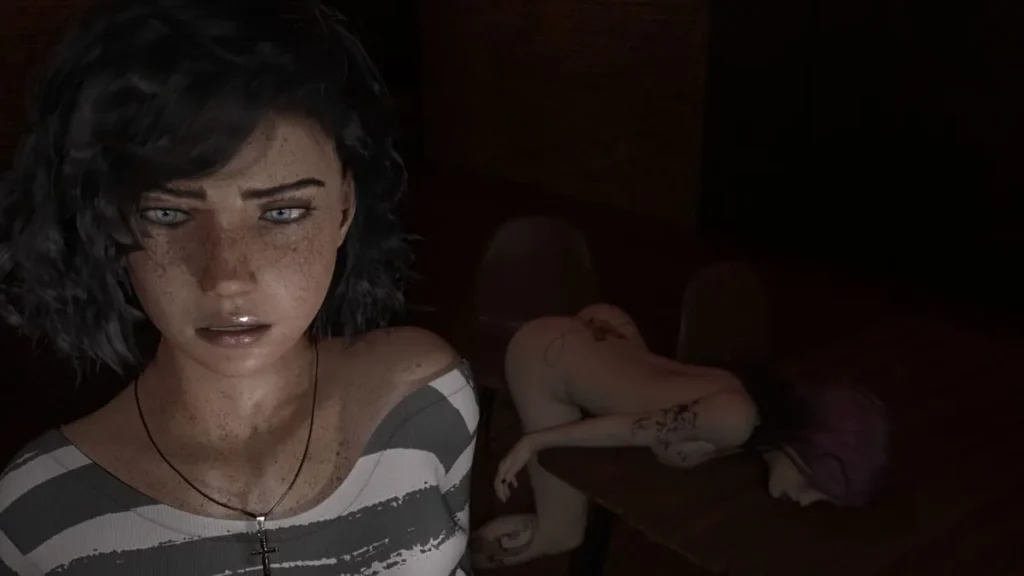










The Theater of Sinners review
Dive into the twisted narratives and choices that define this gripping adult game
Imagine stepping into a shadowy theater where every choice echoes through shattered lives—that’s The Theater of Sinners, the Ren’Py visual novel that’s captivating players with its psychological horror and moral dilemmas. I first stumbled upon this game during a late-night scroll through indie adult titles, and its blend of non-linear storytelling and stat-driven decisions hooked me instantly. In this guide, we’ll explore the Theater of Sinners narrative, unravel its complex characters, and share tips to master its branching paths. Whether you’re new to visual novels or a veteran of dark tales, this game challenges you to confront the blurred lines between victim and perpetrator. Let’s pull back the curtain.
Unveiling the Core of The Theater of Sinners Gameplay
I still remember my first chaotic night with The Theater of Sinners. I dove in thinking I’d follow a neat, tragic tale from start to finish. Instead, I was handed a jumbled dossier of four broken lives and told to make sense of it myself. 😳 I clicked on an event titled “A Warm Meal” for one character, only to realize hours later that the seemingly innocent kindness I witnessed was the catalyst for another’s devastating betrayal. That’s the magic—and the brutal genius—of this experience. You’re not just reading a story; you’re piecing together a fractured puzzle where every shard you touch changes the picture.
This is the core of The Theater of Sinners gameplay: an intoxicating blend of psychological horror and deep narrative agency that refuses to hold your hand.
What Makes The Theater of Sinners Narrative So Addictive? 🎭
At its heart, this is a Ren’Py visual novel, but it uses that foundation to deliver something far beyond static text and pretty pictures. The engine brings the game’s oppressive atmosphere to life with haunting visuals and seamless scene transitions, making every choice feel immediate and weighty. The addiction doesn’t come from cheap jumpscares, but from a relentless, slow-burn tension built on moral gray areas.
You’re not choosing between “good” and “evil.” You’re choosing between defiance that might get you killed or submission that might destroy your spirit. Do you cling to your Resilience and risk shattering, or embrace a little Corruption to gain the tools to survive? The game taught me that survival in its world often means compromising your very soul, and that lesson hits harder than any monster.
How Non-Linear Storytelling Changes Everything 🔀
Forget the predictable path from A to B. The Theater of Sinners is a masterclass in non-linear storytelling. The story isn’t a line; it’s a web. The four protagonists’ timelines are interleaved, and you can jump between their perspectives and past events in almost any order you discover them.
This structure changes everything. A choice you make for Leo in his “present” might be locked or unlocked based on whether you’ve seen a traumatic event from Anya’s past. You’ll experience powerful “hindsight regret” moments, where a scene you played hours ago suddenly reframes a current decision with terrifying clarity. 🧩 This branching storylines visual novel approach means your first playthrough is uniquely yours—a messy, confusing, and profoundly personal journey into darkness. Learning how to play The Theater of Sinners is really about learning to embrace this disorientation and trust your instincts.
Mastering Stat-Raising Decisions for Better Outcomes ⚖️
This is where your agency truly crystallizes. Every dialogue choice, every action, quietly influences one of four core stats: Resilience, Corruption, Submission, and Defiance. These aren’t just numbers on a screen; they are the shifting bedrock of your character’s psyche and the key to unlocking different narrative branches.
The impact is often subtle. A seemingly defiant retort might raise Defiance but lower Resilience, as the emotional toll of constant fighting wears you down. Agreeing to a dubious offer might spike your Corruption while also giving you a crucial resource. You need to become a reader of subtext, understanding that in this theater, every word is a performance with consequences.
Here’s a breakdown to help you navigate these turbulent waters:
| Stat | Definition & Theme | Gameplay Impact | Optimal Strategy Tip |
|---|---|---|---|
| Resilience | Mental fortitude and the will to endure trauma without breaking. | Unlocks options to withstand psychological pressure, resist coercion, and maintain sanity in critical moments. Low Resilience can lead to breakdowns. | Prioritize early for a wider safety net. Choices that involve self-care, quiet reflection, or healthy bonding often raise it. |
| Corruption | Moral compromise; accepting darker methods or ideologies to gain power or survive. | Opens paths involving manipulation, deceit, and leveraging the system’s evil against itself. Can lead to “harsher” but potentially effective outcomes. | Use strategically. A little can be a powerful tool, but let it grow unchecked and you may lose the person you’re trying to save. |
| Submission | Acquiescing to authority or oppressive forces, often for immediate safety. | Prevents direct punishment in the short term and can provide information. However, it may lock away defiant endings and erode other stats. | |
| Defiance | Outright rejection and rebellion against controllers and abusers. | Leads to confrontational, high-risk scenes. Essential for revolutionary paths, but without high Resilience to support it, defiance can be catastrophically punished. | Pair with high Resilience. True, sustained defiance isn’t just about anger—it’s about having the strength to back it up. |
A practical Theater of Sinners stats guide tip? On a first run, don’t try to max everything. Focus on a psyche. Aim for a Resilient defender, a cunning Corrupted pragmatist, or a defiant rebel, and see where that specific moral compass leads you. The stat-raising decisions are what make each replay feel entirely new—that “harsher or softer path” is directly in your hands.
Pro Tip: There is no “perfect” playthrough. Save often in different slots, and don’t be afraid to replay key events immediately to see how a different stat balance changes the scene. The discovery is the point.
Actionable Tips for Beginners:
* Embrace the Chaos: Don’t stress about the “right” order. Explore freely. The narrative is designed to coalesce from the fragments.
* Listen to the Subtext: Before choosing a dialogue option, ask: Is this truly strong, or just angry? Is this compliance smart or weak? The game rewards this introspection.
* Prioritize Resilience Early: It’s the bedrock stat that makes other risky choices more viable.
* Talk to Everyone, Repeatedly: New dialogue and events unlock as your stats change and as you progress through other characters’ stories.
* Let Go of Perfection: Your first run is for feeling the weight of the world. Your second, third, and fourth are for mastering its Theater of Sinners gameplay intricacies and uncovering all its secrets. 😌
The Theater of Sinners Gameplay FAQ
Q: Can I replay events, and should I?
A: Absolutely, and you definitely should! The non-linear storytelling structure allows you to jump back to any unlocked event. Replaying with different stat-raising decisions is the best way to experience the vast branching storylines visual novel content and see how one change ripples outward.
Q: What order should I play the characters’ stories in?
A: The game intentionally doesn’t prescribe one. A great starting strategy is to play one or two events for each character to get a feel for them, then follow the threads that intrigue or horrify you the most. Let curiosity guide your initial how to play The Theater of Sinners approach.
Q: Do choices for one character affect the others?
A: Profoundly. The timelines are intertwined. An action in one character’s past can open or close doors in another’s present. The world reacts to the totality of your choices across the entire ensemble.
Q: How long is a typical playthrough?
A: Your first, blind playthrough can vary widely but often lands between 6-10 hours. However, to see a significant portion of the narrative branches and endings, expect to invest multiple playthroughs, which is where the deep Theater of Sinners gameplay truly shines.
Q: Is there a “true” ending?
A: The game presents multiple conclusions with varying degrees of hope, despair, and ambiguity. Whether one is “truer” than another is a central question it wants you to grapple with based on the choices and compromises you’ve witnessed.
We’ve journeyed through the shadows of The Theater of Sinners, from its haunting non-linear narratives to the gut-wrenching choices that shape four broken lives. This visual novel isn’t just a game—it’s a mirror to our darkest impulses, blending psychological depth with replayable branches that keep you coming back. My own runs taught me that true mastery comes from embracing the gray, not seeking easy wins. If you’re ready to direct your own tale of corruption and redemption, download it today and let the curtain rise. Share your wildest endings in the comments—what path did you choose?