Single Again
Play Single Again
Single Again Screenshots


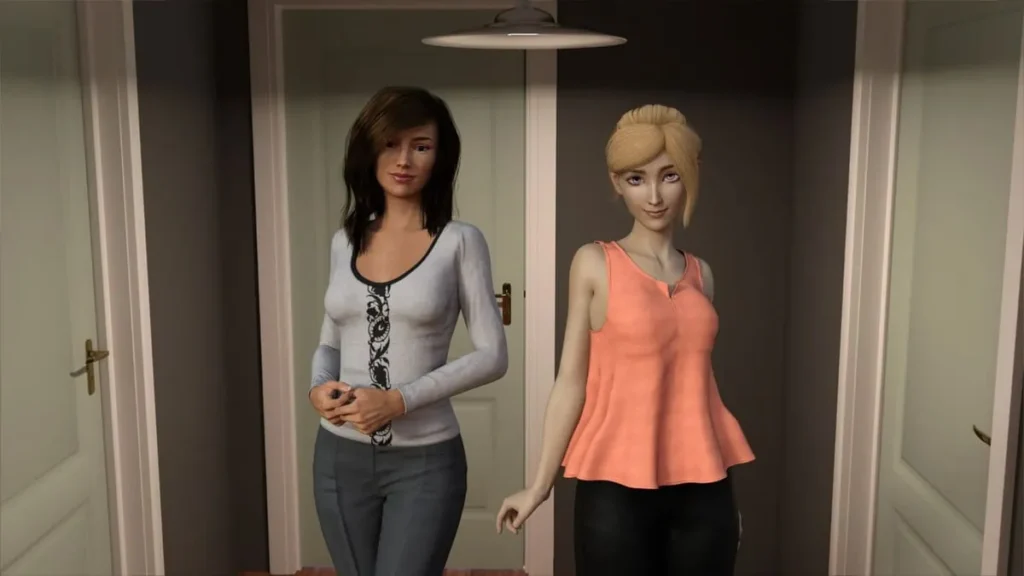
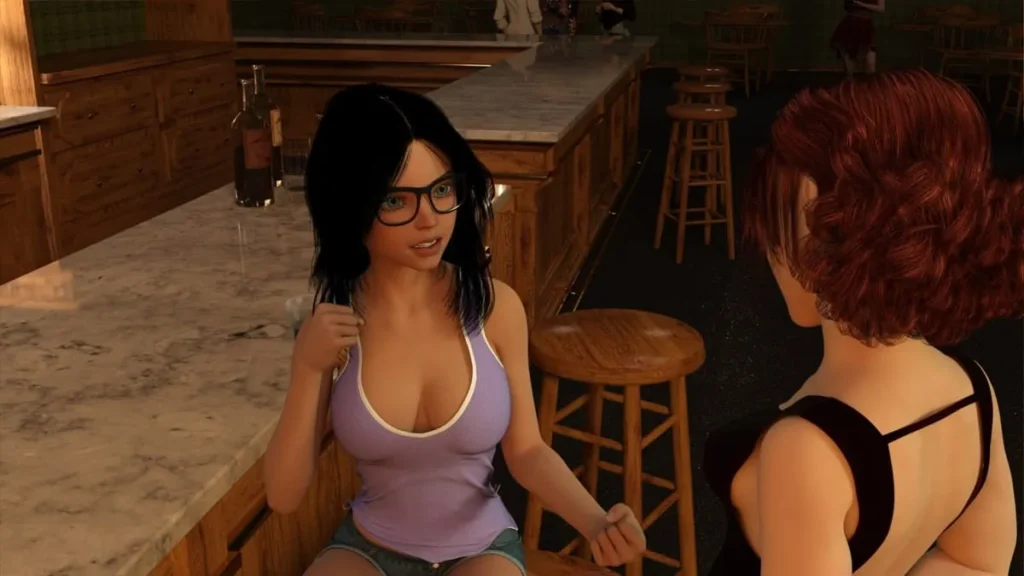




Single Again review
Master every decision path, unlock secret scenes, and discover all endings in this choice-driven narrative experience
Single Again is a choice-based narrative game that puts players in control of the story through meaningful decisions at critical moments. Every choice you make shapes character relationships, unlocks unique scenes, and determines which endings you’ll experience. Whether you’re looking to discover all possible paths, unlock hidden content, or understand how your decisions impact the narrative, this guide covers everything you need to know about maximizing your Single Again experience. The game features multiple characters, branching storylines, and consequence-driven gameplay that rewards exploration and experimentation.
Understanding Single Again’s Choice System and Narrative Structure
Ever felt that nagging frustration when you hit a dead end in a story-driven game? 😩 I sure have. I remember my first playthrough of Single Again, where I thought I was being a charming, supportive friend. Next thing I knew, my character was packing his bags for a lonely, early exit. I’d stumbled into a “game over” scenario without a clue why. That moment, though frustrating, is exactly what makes this game so brilliant. It treats your decisions with serious weight, weaving them into a living, breathing world that reacts to your every move.
This isn’t about picking “good” or “bad” dialogue. It’s about understanding a deep, interlocking system of stats, relationships, and narrative triggers. Think of it as being the author, director, and lead actor all at once. Your journey from a recent divorcee to… well, whatever you become, is uniquely yours. This chapter is your backstage pass to mastering that creative control. Let’s pull back the curtain on the Single Again choice system and learn how to steer your story toward any ending you desire. 🎭
How Choices Shape Your Story Path
From the very first conversation, Single Again asks you to define who you are. Are you the wounded soul, the cynical ex-husband, or the optimistic guy ready to start fresh? These initial choices do more than set a tone—they lay the tracks for your branching narrative paths. It’s like planting a seed; the type of tree you get depends entirely on what you planted and how you nourish it.
The game’s structure is deceptively simple. You read a scene, make a choice, and see what happens. But beneath that surface lies a complex web of cause and effect. Early decisions, like how you interact with your ex-wife Vanessa during your first awkward meeting or what you choose to focus on in your new life, create major forks in the road. One path might lead you deep into a creative partnership with Abigail, while another locks you into a tense, competitive dynamic with Shannon. These branching narrative paths mean that two players can have wildly different experiences by the end of Chapter 2.
The key is to stop thinking in terms of “right” and “wrong” choices. Instead, think of them as “defining” choices. Every option defines your character’s personality, priorities, and potential future.
I learned this the hard way. In one run, I played it safe and polite with everyone. The result? A pleasant but ultimately shallow story where I felt like a bystander. On my next try, I made bolder, sometimes riskier choices, like pursuing a specific interest or being bluntly honest with a character. Suddenly, hidden story beats unlocked, and characters reacted to me in more intense, personal ways. The narrative consequences are immediate and long-term. A snarky comment to Beth might get a laugh in the moment but could subtly reduce her trust in you later, closing off a vulnerable conversation she would have otherwise shared.
This is the core of the Single Again choice system. It’s not a linear checklist; it’s a dynamic ecosystem. Your decisions validate certain stats, which in turn unlock new dialogue options and outcomes. Want to write a novel with Abigail? You’ll need to have invested in your Creativity stat earlier. Want to smooth things over with Vanessa? Your Charm and emotional intelligence choices matter. Every interaction is a brick in the path you’re building, and where that path ends is entirely up to you.
Character Relationship Mechanics and Stat Systems
This is where Single Again truly shines. Your journey isn’t just about you; it’s about the fascinating women you meet, each with her own history, personality, and walls to break down. The character relationship mechanics are a delicate dance, managed through a dual-layer system: visible Relationship Points and internal Character Stats.
Let’s talk stats first. 🧠 Think of these as your protagonist’s core identity, silently shaped by every decision you make. They are:
* Creativity: Your artistic and innovative spark. Affects writing, painting, and problem-solving.
* Wealth: Your financial savvy and resources. Opens luxurious options and eases certain life pressures.
* Charm: Your social grace and ability to connect. Crucial for diffusing tension and building rapport.
* Fun: Your zest for life and willingness to be spontaneous. Key for adventurous and lighthearted moments.
These stats are the gatekeepers. A high Creativity stat might give you the option to compliment Abigail’s writing with insightful critique, while a low one only offers a generic “I liked it.” The stat system gameplay is passive—you don’t manually allocate points. You earn them by making choices that embody those traits. Choosing to spend an evening sketching boosts Creativity. Opting to invest money wisely increases Wealth. This stat system gameplay seamlessly integrates into the narrative, making character growth feel organic.
Now, layer on the relationships. Each main character—Abigail, Beth, Rebecca, Lilith, Shannon, and Vanessa—has a hidden relationship meter. Your choices in interactions with them raise or lower this meter. But it’s not just about being “nice.” Sometimes, agreeing with everything Beth says might bore her, while a thoughtful challenge might earn her respect. The correct approach depends on the character’s personality.
Here’s a practical example of how these systems intertwine:
| Character | Key Stat Influence | Relationship Style | Example Scene Unlock Requirement |
|---|---|---|---|
| Abigail | High Creativity | Intellectual & Supportive | Offering to co-write a story segment (req. Creativity 8+) |
| Beth | High Fun / Medium Charm | Playful & Guarded | Getting invited to her exclusive rooftop party (req. Fun 7+, positive rel.) |
| Rebecca | High Wealth / Stable Charm | Professional & Ambitious | Securing a business partnership offer (req. Wealth 9+, neutral/positive rel.) |
| Lilith | Balanced Stats | Mysterious & Direct | Unlocking her personal backstory confession (req. no stat below 5, high trust) |
| Shannon | Very High Charm | Competitive & Complex | Avoiding a major public argument (req. Charm 10+ during key confrontation) |
Mastering these character relationship mechanics means learning what each person values. It’s a deeply rewarding puzzle, where paying attention to dialogue cues is everything. The game remembers everything, and a choice from three chapters ago can quietly influence who is willing to open up to you today.
Unlocking Hidden Scenes and Secret Content
Ah, the holy grail of any narrative adventure—the secret stuff! 🔍 Single Again is packed with bonus content, alternative scenes, and poignant moments that are easy to miss on a single playthrough. Learning how to unlock hidden scenes Single Again style is what turns a good playthrough into a legendary one.
The system works on a principle of “narrative triggers.” These aren’t always obvious. Sometimes, you need a specific stat threshold at a specific moment. Other times, it’s about cumulative actions—like the famous example of hugging Abigail. Doing it once is a kind gesture. Doing it at multiple key moments when she’s vulnerable builds an unspoken intimacy and can trigger a beautiful, quiet scene about trust and comfort that otherwise never occurs. This is the genius of the design: rewarding consistent character behavior.
To unlock hidden scenes Single Again veterans know you must often pursue a specific character path with dedication. This means making choices that align with their world, even if they aren’t the “optimal” stat boosters for a general playthrough. For instance, fully committing to Rebecca’s corporate world might mean ignoring fun, creative outlets for a while, but the payoff is seeing exclusive scenes of high-stakes business dealings and understanding her personal drive.
But beware! The flip side of hidden scenes are the dreaded game over scenarios. These aren’t failures; they’re stark narrative consequences for certain life choices. To help you avoid an abrupt ending, here’s a step-by-step guide to navigating common pitfalls:
- Manage Your Emotional State: Certain choices, especially regarding your past with Vanessa, can lead to a depressive spiral. Counter this by regularly choosing activities that boost Fun or Creativity.
- Don’t Neglect Your Job: While chasing romance is fun, completely ignoring work emails or Rebecca’s tasks can lead to financial ruin and a “failed fresh start” ending.
- Be Wary of Mixed Signals: Trying to romantically pursue multiple characters without discretion can backfire spectacularly. If caught, it can destroy trust and end multiple storylines at once.
- Respect Boundaries: Some characters, like Lilith, have clear lines. Pushing too hard for information or physical intimacy when she’s withdrawn is a guaranteed way to shut down her path permanently.
- Save Before Major Decisions: This is the oldest trick in the book for a reason! Before a party scene or a major one-on-one conversation, create a save file. It lets you explore different dialogue options and outcomes risk-free.
The beauty of this structure is the immense replay value. Once you understand the Single Again choice system, you can approach each new game with a goal: “This time, I’ll unlock Beth’s secret party,” or “This run is for achieving the perfect creative partnership ending with Abigail.” Each path reveals new facets of the story and the characters, making the world feel vast and deeply realized.
So, embrace the experiment. Save often, make bold choices, and don’t be afraid to “fail.” Every closed door helps you map the labyrinth of this wonderful game. Your perfect story—be it one of artistic triumph, rekindled love, newfound independence, or something else entirely—is waiting in the branching narrative paths. You just have to make the choices to find it. Happy storytelling! ✨
Single Again delivers a dynamic narrative experience where your decisions genuinely matter. By understanding the choice system, relationship mechanics, and stat requirements, you can strategically navigate the story to unlock all available content and discover every possible ending. The game rewards both careful planning and experimental replay, allowing you to experience multiple character storylines and hidden scenes. Whether you’re pursuing specific character relationships or trying to see all narrative branches, mastering these mechanics ensures you get the most from your Single Again playthrough. Take time to explore different choice combinations, pay attention to stat requirements, and don’t hesitate to replay chapters to discover paths you might have missed on your first experience.