Once in a Lifetime
Play Once in a Lifetime
Once in a Lifetime Screenshots







Once in a Lifetime review
A comprehensive guide to the narrative-driven visual novel experience
Once in a Lifetime stands out as a narrative-driven visual novel that combines conspiracy, mystery, and character-driven storytelling. Set in the mysterious town of Mistbury, this story-focused adventure invites players to uncover dark secrets while navigating complex relationships and supernatural elements. The game has garnered attention for its engaging plot progression, well-developed characters, and balance between serious narrative moments and humorous interludes. Whether you’re new to visual novels or a seasoned player, understanding what makes Once in a Lifetime unique can help you decide if this experience aligns with your gaming preferences.
Gameplay, Story & Character Development in Once in a Lifetime
Have you ever started a game expecting one thing and gotten something so much richer, funnier, and more engaging that it completely redefined the genre for you? That was my exact experience with Once in a Lifetime. 🤯 At first glance, you might think it’s just another entry in the crowded field of narrative-driven adventures, but within minutes, it becomes clear this is a special kind of narrative-driven story experience. It masterfully stitches together side-splitting humor, genuine heart, a gripping mystery, and meaningful choices that actually matter. This chapter is your deep dive into how it all works—the glue that binds the unforgettable story, the lovable characters, and the smart visual novel storytelling mechanics into a package that has captivated players worldwide.
### What Makes the Once in a Lifetime Narrative Stand Out?
Let’s be honest: many visual novels have a predictable rhythm. Boy meets girl, drama ensues, you pick a path. Once in a Lifetime throws that playbook out the window from the very first scene. What makes this Once in a Lifetime visual novel so memorable is its audacious blending of tones and its genuinely compelling central mystery. You don’t just move to a new town for a quiet life; you stumble headfirst into a shadowy conspiracy plot visual novel that threatens the entire community.
The genius lies in the setup. You play as a young man (whose name you choose) returning to his hometown of Mistbury after years away. The Mistbury town setting is immediately established as a character in itself—a seemingly sleepy, picturesque place that feels both familiar and oddly off-kilter. 🏡 The pacing is impeccable. The game doesn’t rush you into the deep end of the conspiracy. Instead, it lets you get your bearings, reintroduce yourself to old friends, and meet the captivating cast of potential partners. This slow burn makes the eventual reveal of the supernatural and cultish threats feel earned and surprisingly intense.
The narrative’s strength is its confidence. It’s not afraid to let you laugh at a ridiculous gag with a background character one minute, and have you genuinely worried for a main character’s safety the next.
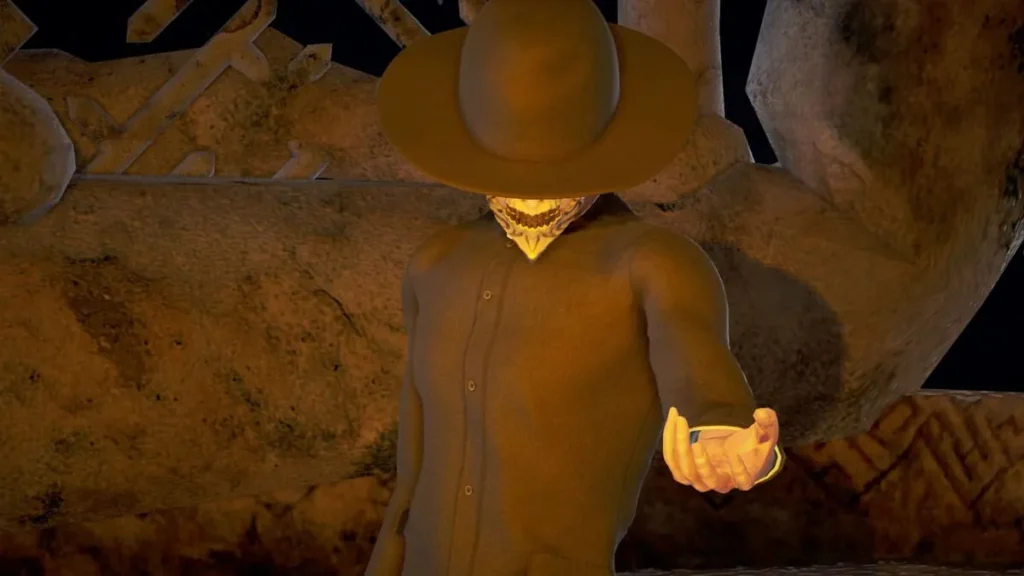
The antagonists are introduced with a perfect mix of creeping dread and absurdity. You’ll encounter everything from suspicious townsfolk to entities that wouldn’t be out of place in a cosmic horror story. This conspiracy plot visual novel framework elevates the stakes beyond typical romance. You’re not just trying to win someone’s heart; you’re trying to protect the entire town and uncover a truth that explains the strange occurrences plaguing Mistbury. This overarching drive provides a constant thread of tension that makes every character interaction and every choice feel more significant. Your role shifts from passive observer to active investigator and protector, which is a key reason the narrative-driven story experience is so immersive.
### Character Progression and Relationship Building
If the conspiracy is the spine of the game, then the characters are its beating heart. The character relationships gameplay in Once in a Lifetime is a masterclass in making you care. This isn’t about simply clicking through dialogue trees until a heart meter fills up. Each relationship is a unique journey that unfolds naturally alongside, and often interwoven with, the main plot.
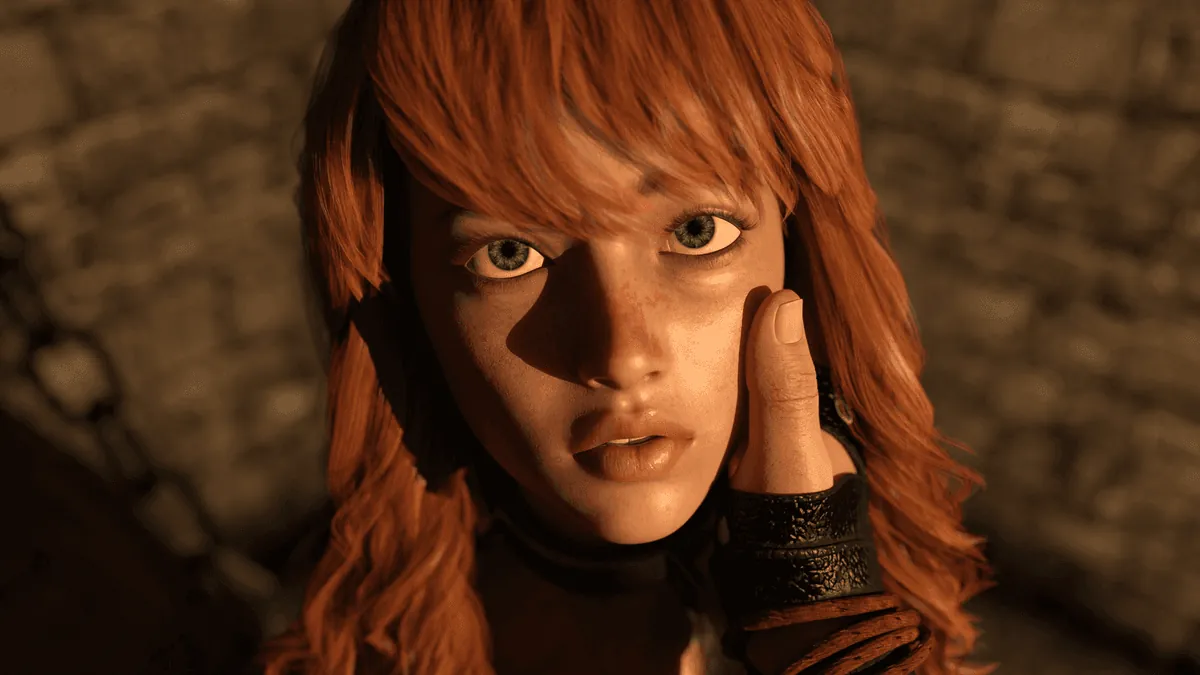
The character progression romance system feels organic. Connections aren’t instant; they build through shared experiences, meaningful conversations, and the choices you make during key story moments. For instance, your childhood friend, Stacey, has a history with you that’s layered with unresolved feelings and past mistakes. Rekindling that bond requires patience and understanding, not just picking the “flirt” option every time. Conversely, meeting someone entirely new, like the confident and mysterious Daphne, allows for a relationship built on first impressions and discovering who she is beneath her poised exterior. 🥰
A common question players have is about pacing: “Do the relationships move too fast?” From my experience and from chatting with the community, the game strikes an excellent balance. Early interactions are about rebuilding friendships and establishing trust. The romance develops as you work together to face the growing threats in Mistbury. A shared traumatic or intense experience can accelerate emotional intimacy in a way that feels believable, not forced. You’re not just going on dates; you’re becoming a team, and that foundation makes the romantic payoffs deeply satisfying.
The visual novel storytelling mechanics directly support this progression. Your choices often have subtle, long-term consequences. Supporting a character in a moment of doubt, showing a specific interest in their passion, or simply being present when they need you will open up new, more personal dialogue branches later. It creates a wonderful illusion that the relationship is truly evolving based on your input.
| Phase | Tone & Focus | Pacing | Player Engagement Drivers |
|---|---|---|---|
| Early Game Relationship Building | Light-hearted, comedic, focused on re-establishing connections and first impressions. The conspiracy is a background rumor. | Leisurely, exploratory. Players are encouraged to talk to everyone and learn about Mistbury. | Humor, character introductions, establishing the Mistbury town setting, early flirtations, and player curiosity. |
| Post-Antagonist Introduction Plot Development | Heightened tension, dramatic, with moments of horror and urgency. Humor is used as strategic relief. | Faster, more focused. Choices carry higher stakes, and story paths begin to diverge more significantly. | Narrative urgency, protective instincts towards characters, desire to solve the conspiracy plot visual novel mystery, and deepened romantic investment. |
This table shows how the game’s structure expertly manipulates tone and pacing to keep you hooked. The shift isn’t jarring; it’s a gradual escalation that uses the foundation of early relationship-building to make the later stakes feel personal.
### Balancing Humor with Serious Plot Elements
This is perhaps the game’s most impressive feat. Once in a Lifetime is laugh-out-loud funny. I mean, pause-the-game-because-you’re-crying funny. 😂 Yet, it also deals with themes of loss, fear, sacrifice, and existential danger. How does it manage this tonal tightrope walk without falling into absurdity or melodrama?
The secret is compartmentalization and character. The core narrative-driven story experience of the conspiracy is treated with sincerity. The threats are real, the emotions of the characters in those moments are genuine, and the story doesn’t undercut its own drama for a cheap joke. The humor comes from the characters’ personalities and the brilliantly absurd world-building around the edges of the main plot.
Let me give you a specific example. You might be in the middle of a tense, shadowy investigation, tracking a cultist through the woods. The scene is atmospheric, the music is suspenseful. Then, in the background, you might spot two utterly inconsequential NPCs—like the perpetually shirtless “Chad” and his yoga-obsessed friend—having a completely ridiculous argument about the nutritional value of kale versus pizza, utterly oblivious to the life-or-death drama unfolding nearby. 🍕 vs. 🥬 This doesn’t break the tension of your story; it enriches the world, reminding you that life in Mistbury, with all its quirks, goes on. It provides a necessary moment of breath and reminds you what you’re fighting to protect.
The game’s recurring gag characters and background scenes are legendary in the community. They create a consistent layer of comedy that exists parallel to the main plot. This means the serious moments can remain serious and impactful, while the player is constantly entertained. The humor is also deeply woven into the protagonist’s internal monologue and dialogue options, allowing you to role-play as someone who uses wit as a shield or a way to connect, even in dark times.
This balance is crucial for long-term engagement. A purely serious horror-mystery can be exhausting. A pure comedy might lack stakes. Once in a Lifetime gives you both, letting you regulate your own emotional engagement. You can savor the funny background details, then lean into the next serious story beat, fully invested. It’s a testament to the writing that both elements feel essential and authentically part of the same, wonderful, strange world.
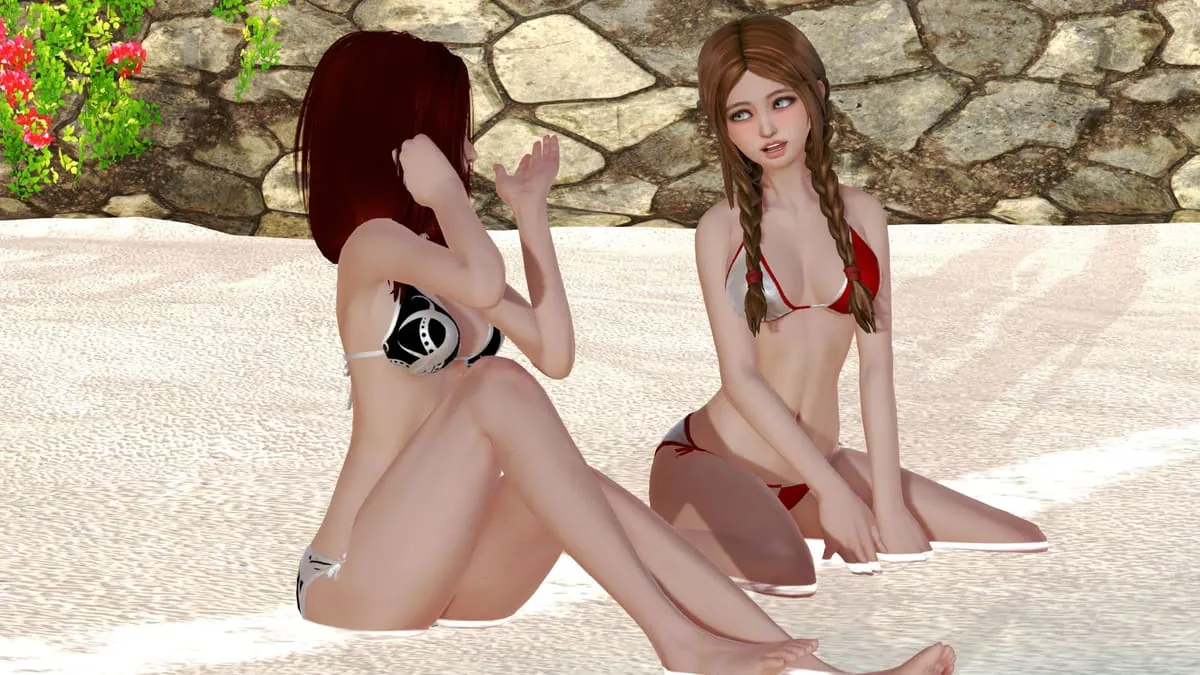
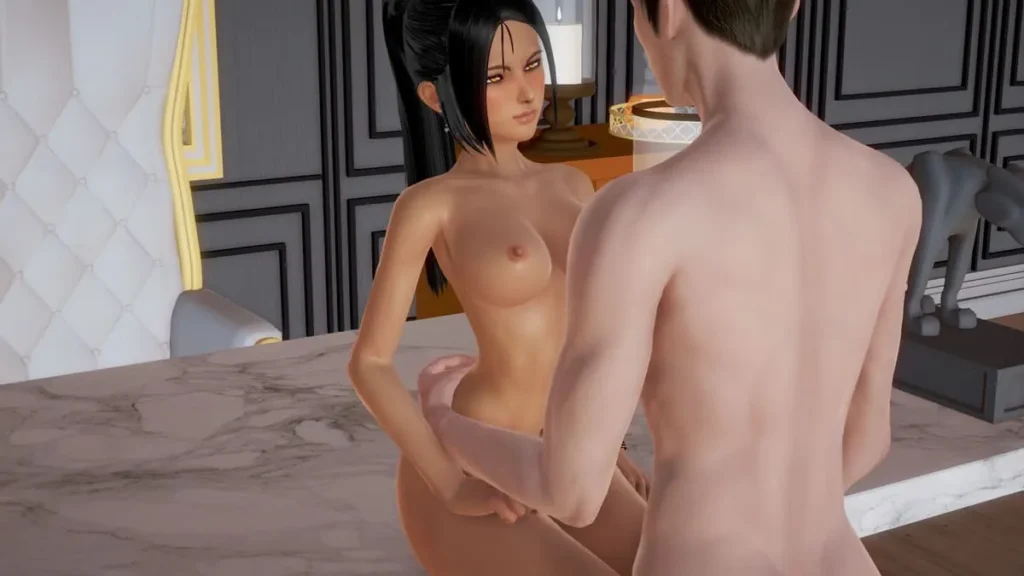
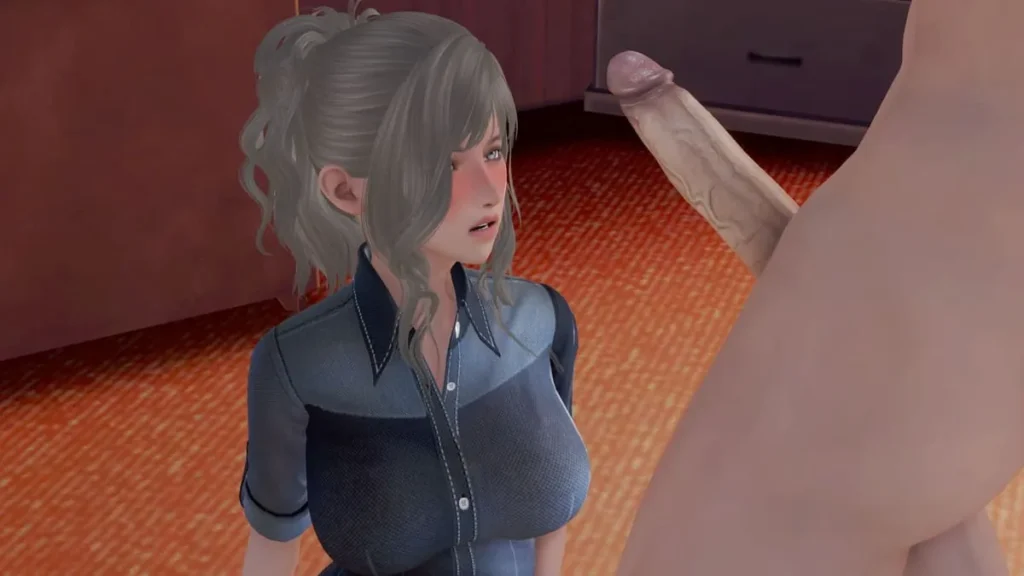
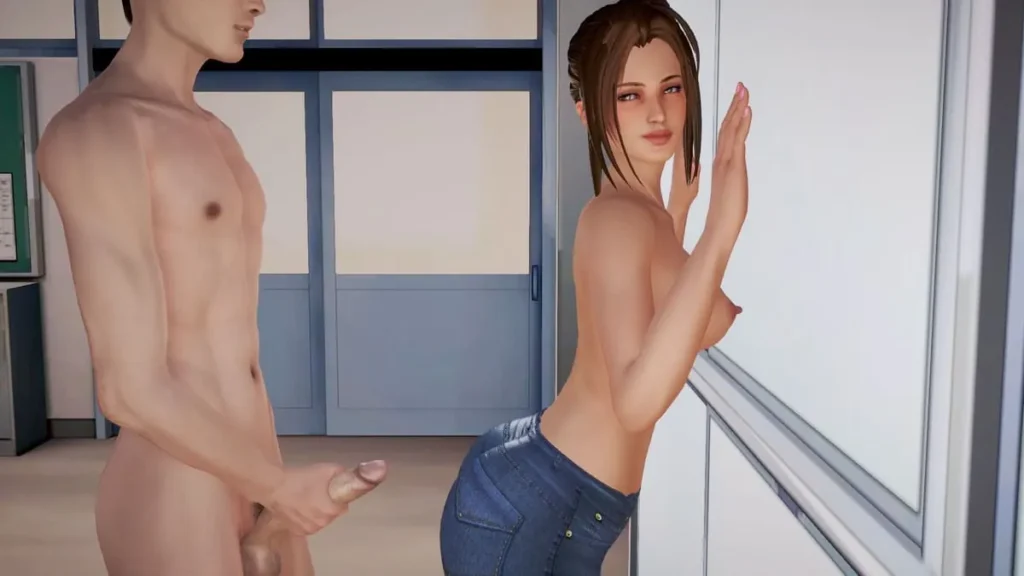
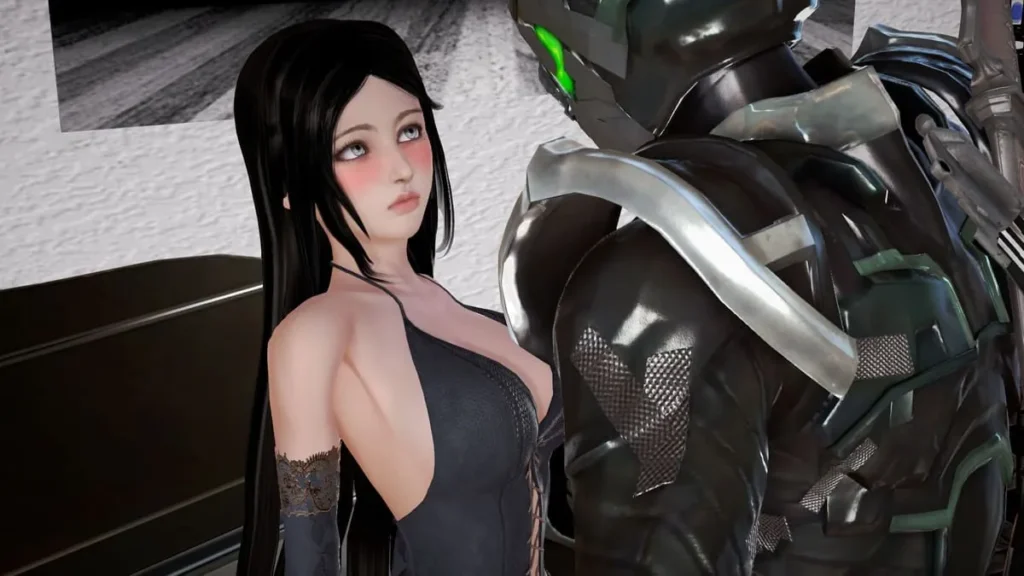
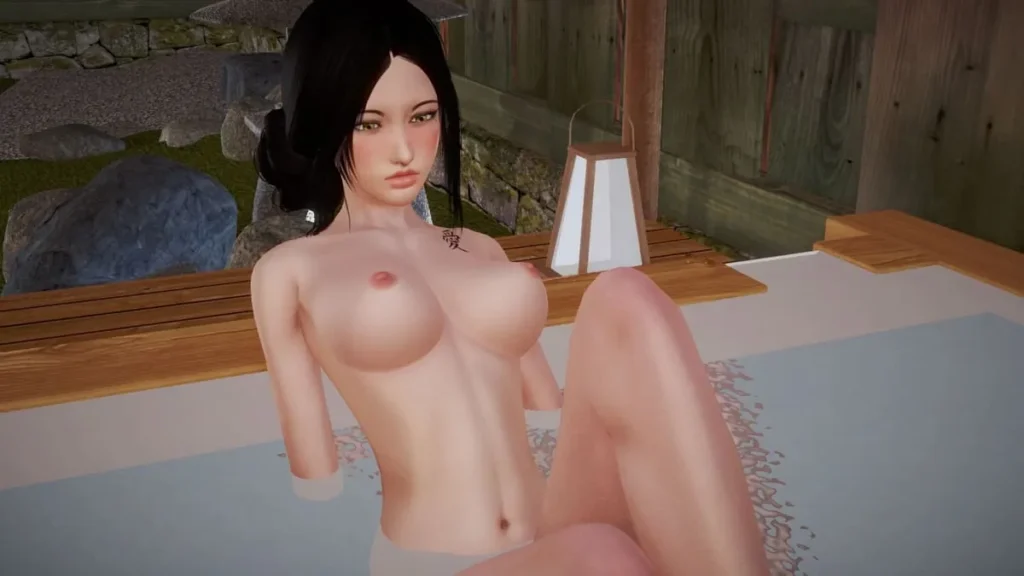
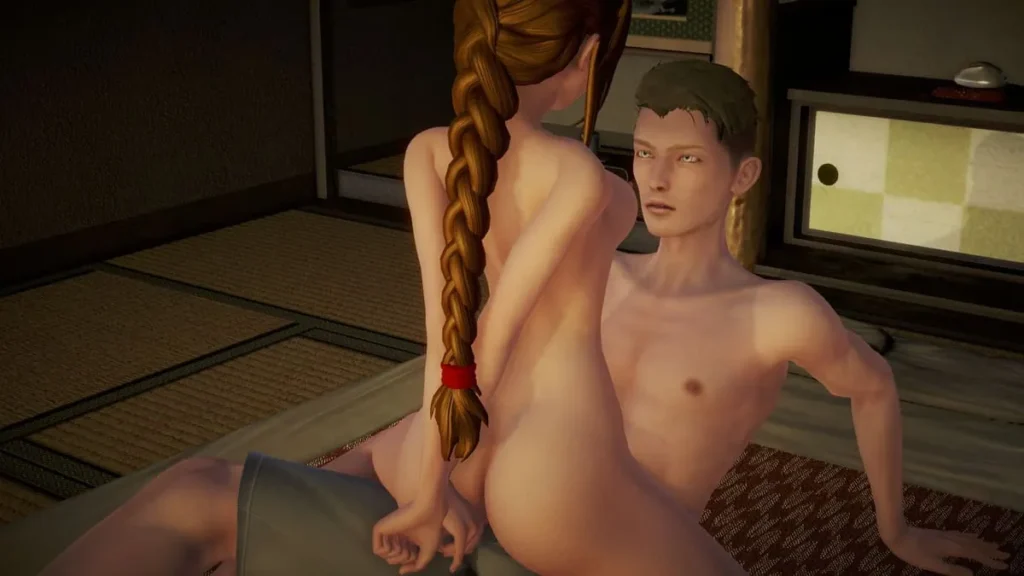
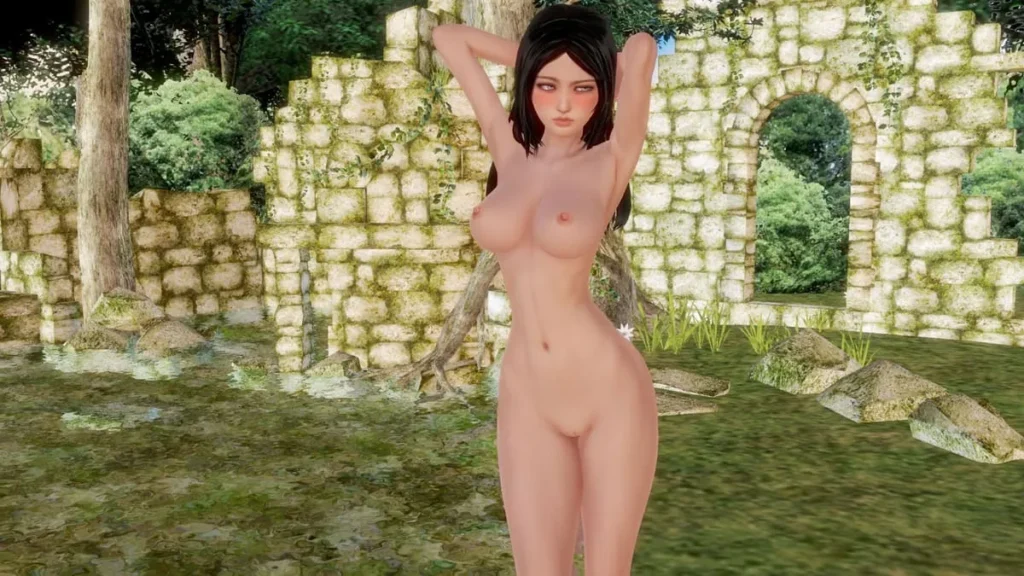
The final piece of the puzzle is presentation. The character designs are expressive and full of personality, and the occasional animations—especially for comedic or key dramatic moments—add a fantastic layer of polish. The art style makes both the heartfelt romantic scenes and the absurd comedic beats land with equal effectiveness.
In the end, the gameplay experience of Once in a Lifetime resonates because it feels complete. It satisfies the player’s desire for a thrilling story, deep character progression romance, meaningful choices, and constant entertainment. It proves that a narrative-driven story experience can have incredible breadth, making you laugh, swoon, and grip your mouse in suspense, sometimes all within the same hour of play. It’s not just a game you play; it’s a town you visit, friends you make, and a mystery you need to solve, making it a standout title that truly lives up to its name. ✨
Once in a Lifetime delivers a compelling visual novel experience that successfully merges mystery, character development, and entertainment value. The game’s strength lies in its ability to transition from character-focused storytelling to an engaging conspiracy narrative that keeps players invested. With its well-crafted animations, thoughtful character designs, and the perfect blend of humor and serious plot moments, Once in a Lifetime appeals to players seeking meaningful narrative experiences. The game’s reception among players highlights its quality in storytelling and character interaction, making it a noteworthy entry in the visual novel genre. If you’re interested in story-driven games with strong character development and supernatural elements, Once in a Lifetime offers a gaming experience worth exploring.