Inner Growth
Play Inner Growth
Inner Growth Screenshots







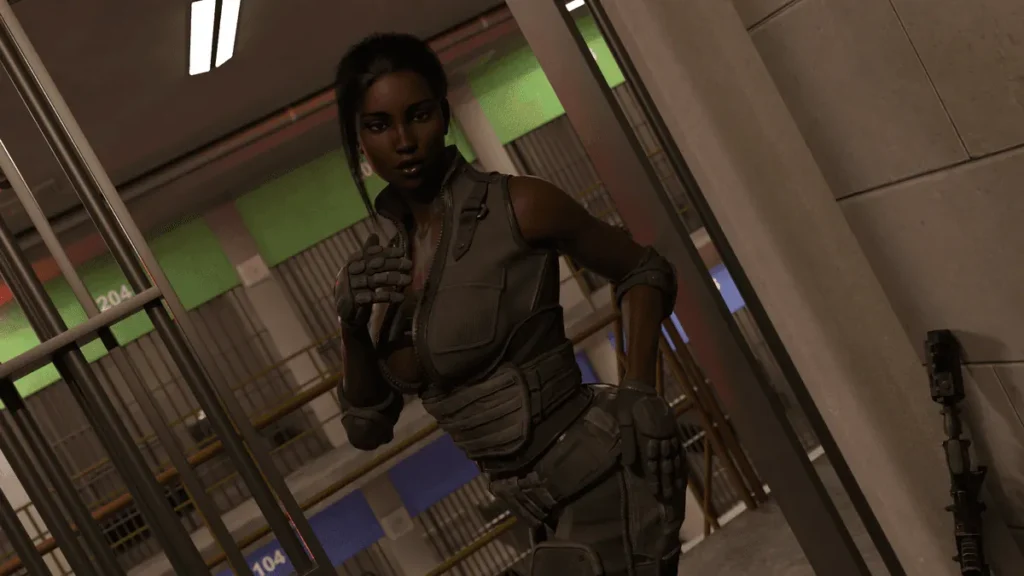







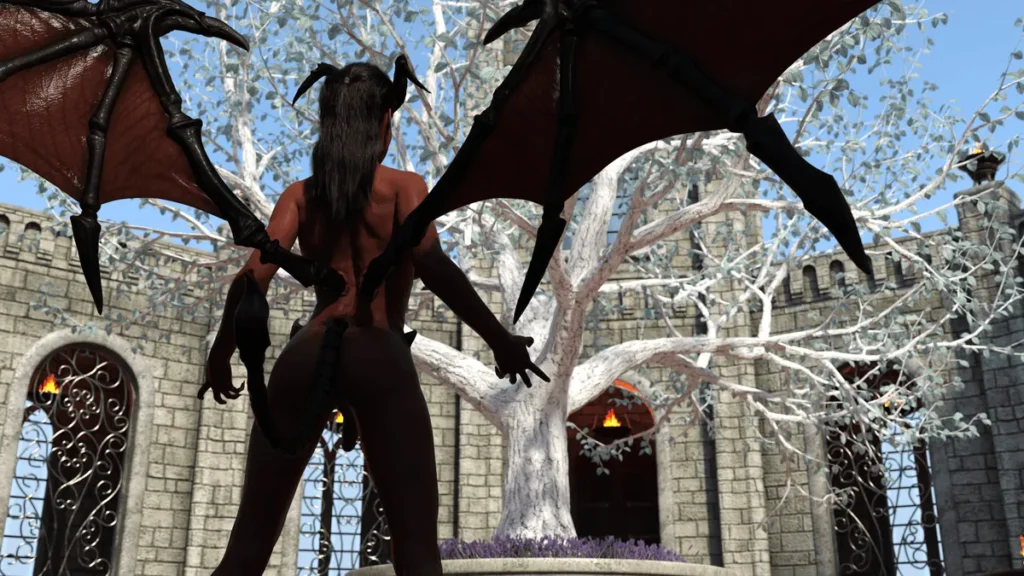

Inner Growth review
Explore the decision-driven narrative experience where your choices shape Thalna’s journey across two worlds
Inner Growth stands out as a narrative-driven visual novel that combines storytelling depth with meaningful player choice. Developed by Morally Purple, this decision-based adventure follows Thalna, a protagonist navigating between the underworld and human realm. Unlike traditional games where choices feel superficial, Inner Growth ensures every decision carries weight and consequence, affecting relationships, character development, and multiple story outcomes. The game emphasizes personal growth alongside its narrative, making it a compelling experience for players who value story-driven gameplay and character-driven narratives. With its focus on consequence-based decision-making and immersive world-building, Inner Growth has garnered attention for redefining what adult gaming can achieve through meaningful narrative design.
Understanding Inner Growth: Gameplay Mechanics and Core Features
Ever feel like your choices in a game don’t really matter? 😕 You pick a snarky dialogue option, and the character just shrugs it off. You make a morally grey decision, and the story railroads you back to the same old path. It can leave you feeling disconnected, like you’re just along for the ride. I’ve played countless narrative games where my agency felt like an illusion, and honestly, it got boring.
That’s why discovering Inner Growth was such a breath of fresh air. 🍃 This isn’t a game where you watch a story unfold; it’s one you actively write with every single decision. It places you in the worn shoes of Thalna, a soul trapped in the monotonous bureaucracy of the underworld, who seizes a chance to experience life in the human realm. Your mission? To guide her through this chaotic, beautiful, and often heartbreaking journey of discovery. But here’s the catch: there’s no “right” way to do it. Every word you choose, every bond you forge or break, and every secret you uncover permanently alters the tapestry of her life—and the lives of those around her. This is the essence of true decision-based gameplay, and it’s absolutely mesmerizing.
How Decision-Making Shapes Your Story
At the heart of Inner Growth is a simple, powerful truth: your choices have weight. 🏋️ This isn’t about picking a “good” or “evil” alignment at the start and sticking to it. It’s about navigating the messy, ambiguous middle ground of real life. The game’s consequence-driven storytelling means that even small, seemingly innocuous decisions can ripple outwards in unexpected ways, affecting relationships, plot threads, and even Thalna’s own sense of self.
Think about a time you said something offhand that accidentally hurt a friend. Inner Growth captures that feeling perfectly. Early in my first playthrough, I met a fellow soul named Kael, who was clearly struggling. In a moment of trying to be supportive, I chose a dialogue option that said, “You just need to be stronger.” I thought I was giving tough love! Instead, the game recorded that choice. Hours later, when Kael was facing a crisis, he threw my words back at me: “You told me to be strong, so I’ve been hiding how I really feel. Now I’m breaking.” It was a gut punch. 💔 The game didn’t flash a big “RELATIONSHIP -10” on the screen; it showed the natural, emotional consequence of my flippant advice. This system ensures that branching narrative choices aren’t just checkpoints—they’re the DNA of your unique story.
The Ren’py game engine is the silent powerhouse behind this flexibility. Known for its strength in handling complex variables and branching dialogue, Ren’py allows Inner Growth to track a staggering number of your decisions behind the scenes. It remembers who you helped, who you lied to, what secrets Thalna confessed when she was vulnerable, and which personal boundaries she pushed. All of this data feeds into the character relationship system, determining who trusts her, who fears her, and who might just fall in love with her. It creates a living world that feels genuinely responsive.
To give you a clearer picture of how this plays out, here’s a breakdown of how different approaches to a single conflict can diverge:
| Choice Type | Immediate Reaction | Relationship Impact | Long-Term Story Consequence |
|---|---|---|---|
| Kind & Empathetic | Character opens up, shares crucial information. | Trust deepens; unlocks supportive dialogue options later. | This character may become a loyal ally in a future crisis, offering unique help. |
| Aggressive & Direct | Character becomes defensive, conflict escalates briefly. | Respect might be earned, but warmth is lost. They may challenge you more. | Could lead to a “rivalry” path where you push each other to be better, but through tension. |
| Deceptive & Manipulative | You get what you want in the short term. | If discovered, trust is shattered permanently. If not, the relationship is built on a lie. | May unlock a secret or shortcut now, but can close off entire character arcs or lead to a devastating betrayal later. |
This table isn’t just theoretical—it’s how the game constantly operates. You’re not just picking a mood; you’re architecting Thalna’s personality and her world’s reaction to her. This depth is what creates such incredible replay value. My second playthrough was wildly different from my first, not just in ending, but in tone, key events, and even which characters I considered central to the story.
Visual Novel Format and Narrative Structure
If you’re new to the genre, don’t let the “visual novel” label fool you. 📖 While Inner Growth uses the classic visual novel game mechanics of immersive artwork, character sprites, and text-driven progression, it transcends the stereotype of a passive reading experience. This format is the perfect canvas for its deep, branching story. You’ll navigate through beautifully illustrated scenes and dialogue trees, but the pace and direction are entirely in your hands.
The narrative structure is a masterclass in player-led storytelling. You’re presented with dialogue and internal monologue options that reflect different aspects of Thalna’s emerging personality. Is she curious, cynical, hopeful, or guarded? You decide. The game skillfully uses its visual novel game mechanics to make these branching narrative choices feel intimate and urgent. You’re not just selecting from a menu; you’re listening to Thalna’s thoughts and choosing which instinct to follow.
Let me give you a concrete example from early in the game. Thalna, in her human body, is at her first social gathering. Another character, isolated and anxious, spills a drink on themselves.
- Choice A (Internal): “That looks embarrassing. Better not get involved.”
- Choice B (Spoken): “Oh no! Here, let me help you clean that up.”
- Choice C (Spoken): “Smooth move. This party just got a lot more interesting.”
This seems simple, right? But each path splinters dramatically. Choosing A (avoidance) lets you slip away but marks you as distant to others observing. Choosing B (kindness) immediately bonds you with the embarrassed character, Elara, starting a friendship subplot where she later introduces you to a secret artistic community—a whole story branch you’d otherwise miss. Choosing C (sarcasm) could either make Elara recoil in humiliation, shutting down her path, or, if you’ve previously built a reputation for being witty, it could make her laugh through the embarrassment, starting a relationship built on sharp humor. One moment, three completely different trajectories for friendship, self-perception, and accessible content. That’s the power of its decision-based gameplay.
The Ren’py game engine shines here in making these transitions seamless. The art, music, and character expressions shift fluidly to match the tone you’ve set, ensuring the consequence-driven storytelling is felt not just in the text, but in the entire atmosphere. The game understands that emotional storytelling is about more than just words—it’s about the silence between them, the look in a character’s eyes when you betray their trust, and the warm color palette that appears when you find a moment of genuine connection. ❤️🔥
Character Interactions and Relationship Building
In Inner Growth, relationships are the currency of the story. 💎 Thalna’s journey from a detached underworld scribe to a (hopefully) connected human is measured through her bonds with others. The character relationship system is intricate and nuanced, moving far beyond simple “like/dislike” meters. Each major character has their own history, trauma, desires, and boundaries. How you interact with them either helps them grow or reinforces their flaws, and they do the same for Thalna.
This system is deeply intertwined with the game’s themes of personal growth. You can’t just click through every “nice” option and expect a perfect ending. Sometimes, growth requires difficult truths. For instance, with the character of Marcus, a seasoned but jaded soul-guide, constant agreement makes him see you as naive. Occasionally challenging his worldview, however, sparks a mutual respect and unlocks deeper conversations about his past failures. It’s a relationship that thrives on healthy conflict, not just blind support.
Every interaction is a two-way street. As you influence them, they influence Thalna. Pursue a close bond with the idealistic Leo, and you may find Thalna’s internal monologue becoming more hopeful and open to new experiences. Align closely with the pragmatic and secretive Anya, and Thalna might start to default to more cautious, analytical thoughts. You are literally shaping who she becomes through the company she keeps. This is where the promise of multiple story endings is fully realized. The ending isn’t just a final choice; it’s the culmination of every relationship you’ve nurtured, neglected, or destroyed. Will Thalna find a family? Will she achieve her personal goals but end up alone? Will she sacrifice her chance at happiness for someone else’s? These conclusions feel earned because you built them, conversation by conversation, choice by choice.
My Tip: Don’t reload saves after a “bad” choice. Some of the most powerful and growth-filled moments in my playthrough came from dealing with the fallout of a mistake. It makes Thalna’s journey feel authentically human.
The replay value here is practically infinite. 🎭 Want to see what happens if you romance the guarded artist instead of the charismatic activist? Go for it. Curious about how the story changes if you burn bridges with a key ally early on? The game has a path for that. Each playthrough feels like exploring a new facet of the same world, all thanks to the robust character relationship system and the consequence-driven storytelling that gives your bonds real meaning.
Inner Growth is more than a game; it’s an experience in empathy and self-reflection. It uses the accessible, intimate format of a visual novel to deliver a profound narrative where your agency is never an illusion. Your branching narrative choices craft a unique tale, your management of the character relationship system defines Thalna’s soul, and your journey through its consequence-driven storytelling leads to one of many deeply personal multiple story endings. It’s a testament to what the Ren’py game engine can achieve in the hands of storytellers who trust their players with the most important tool of all: the power to choose. Your story, and Thalna’s growth, await.
Inner Growth represents a significant evolution in narrative-driven gaming, successfully merging intimate storytelling with meaningful player agency. The game’s strength lies in its commitment to consequence-based decision-making, where every choice genuinely impacts character relationships and story outcomes. Thalna’s journey from underworld princess to navigating the human realm provides a compelling framework for exploring themes of personal growth, moral complexity, and self-discovery. The visual novel format, combined with thoughtful scene design and diverse character interactions, creates an experience that respects player intelligence and emotional investment. Whether you’re drawn to story-rich experiences, character-driven narratives, or games that reward multiple playthroughs with different outcomes, Inner Growth delivers a sophisticated gaming experience. The ongoing development and regular updates demonstrate the developer’s commitment to expanding and refining the game. For players seeking a narrative adventure that challenges conventional gaming storytelling while maintaining engaging gameplay mechanics, Inner Growth stands as a compelling choice worth exploring.