Hero’s Harem Guild
Play Hero’s Harem Guild
Hero’s Harem Guild Screenshots
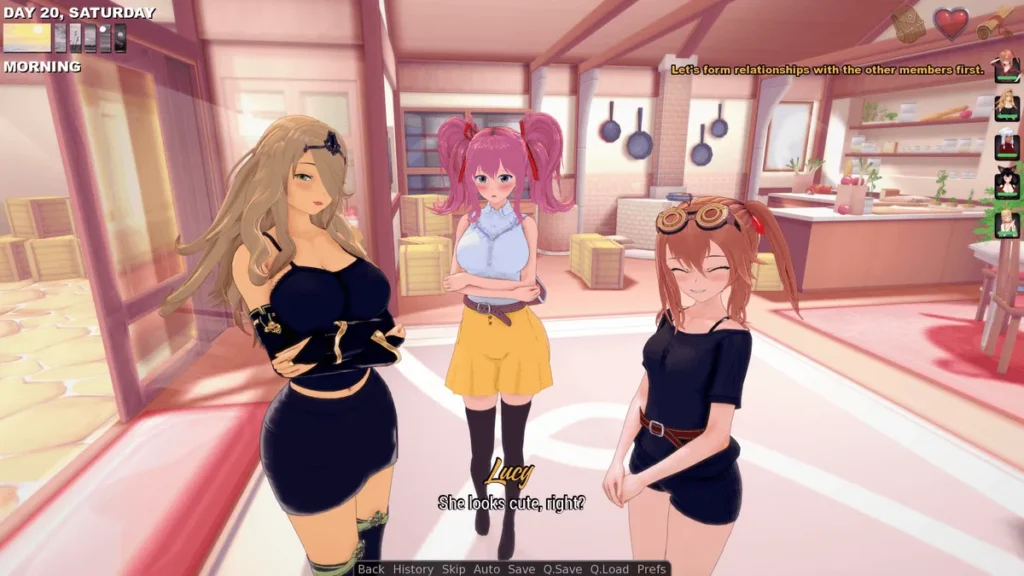

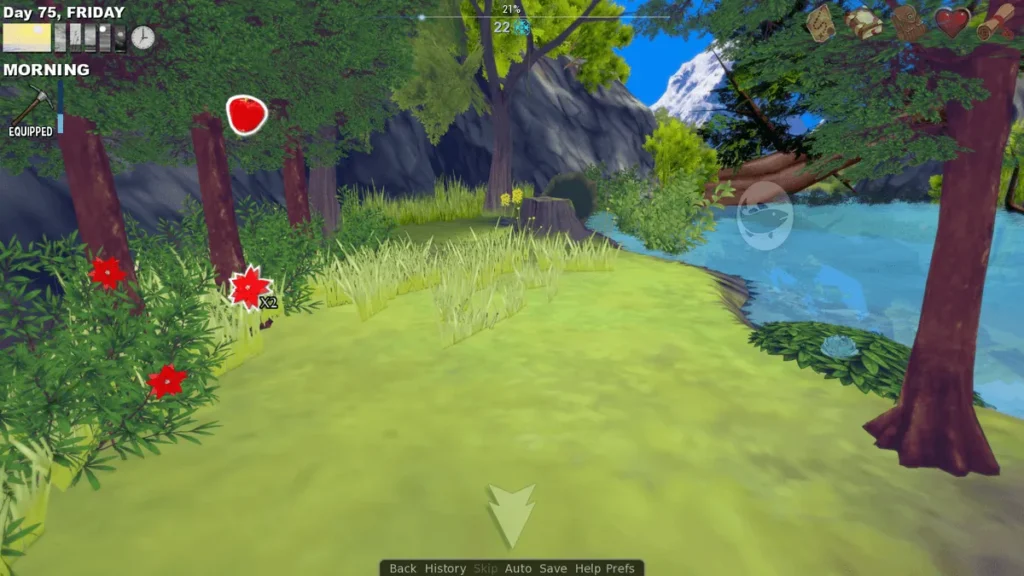
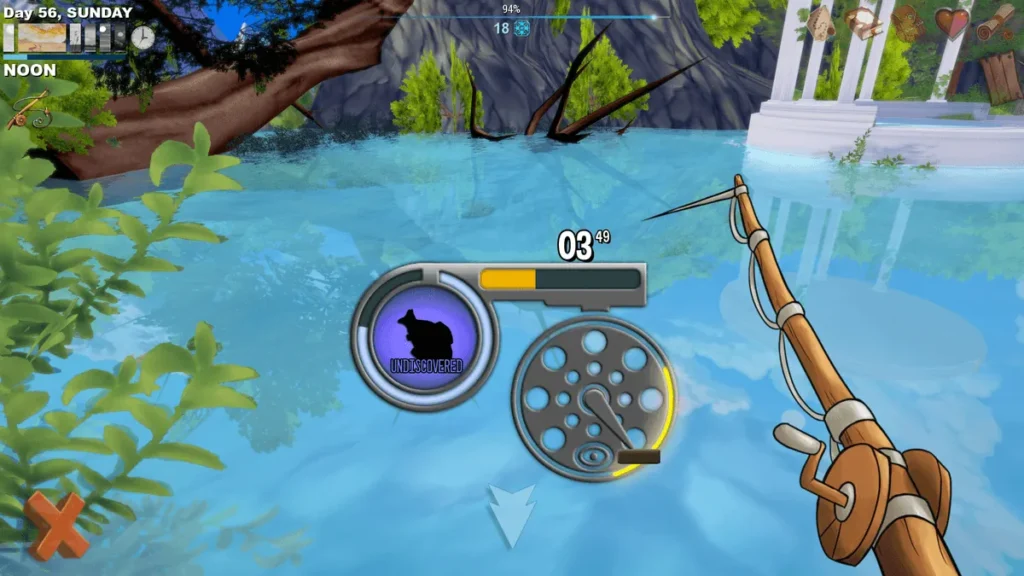
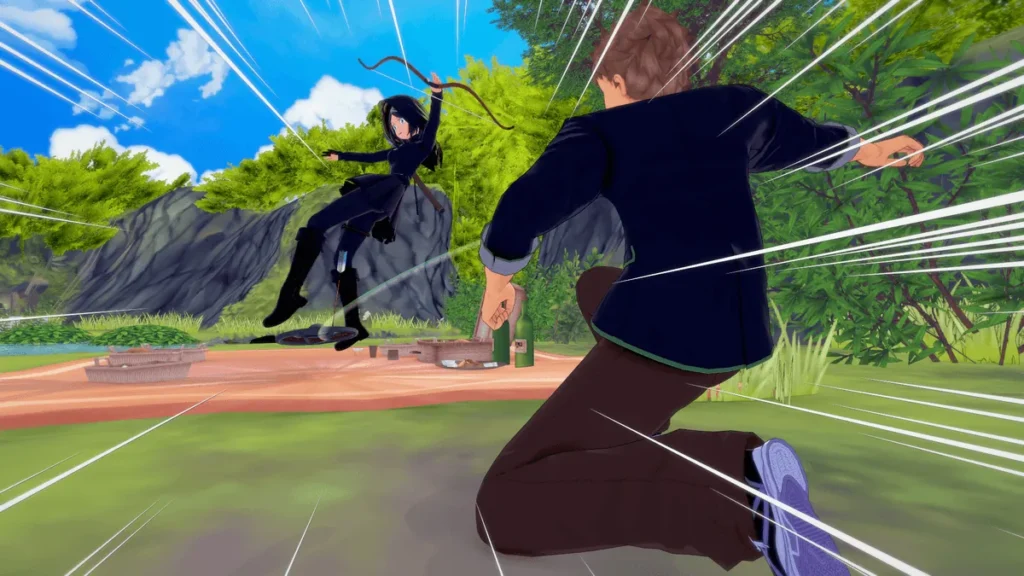
Hero’s Harem Guild review
Explore gameplay mechanics, character development, and what makes this adult RPG stand out
Hero’s Harem Guild has become one of the most talked-about adult RPGs in the indie gaming community, and for good reason. This game transcends typical adult game expectations by combining engaging storytelling, character development, and strategic gameplay with its mature content. Whether you’re curious about the game mechanics, character roster, or what sets it apart from other titles in the genre, this guide covers everything you need to know about this unique gaming experience.
Understanding Hero’s Harem Guild: Core Gameplay and Story
So, you’ve just booted up Hero’s Harem Guild and you’re staring at the screen, a little unsure of what you’ve gotten yourself into. Is it a management sim? A deep character relationship building RPG? A steamy visual novel? The answer, wonderfully, is all of the above. 🎮 This isn’t just another click-through adventure; it’s a rich, sandbox RPG with story elements that puts you in the driver’s seat of a crumbling guild and the lives within it. If you’re like I was when I first started, you might feel a bit overwhelmed by the sheer number of systems at play. Don’t worry—by the end of this chapter, you’ll have a solid map to navigate this unique world. Let’s break down exactly how this game works and why its blend of storytelling and management hooks you so deeply.
What is Hero’s Harem Guild and How Does It Work?
At its heart, Hero’s Harem Guild is a narrative-driven management game built on the versatile Ren’Py visual novel game engine. You play as an ordinary guy who, through a stroke of bizarre luck (or unlucky timing), survives a demon attack that wipes out the local hero’s guild. With the sole surviving deed in your hand, you’re suddenly thrust into the role of Guild Master. Your job? Revive the guild, recruit a band of colorful (and often chaotic) adventurers, manage your resources, and rebuild the reputation of your town—all while navigating the complex personal lives of your guild members.
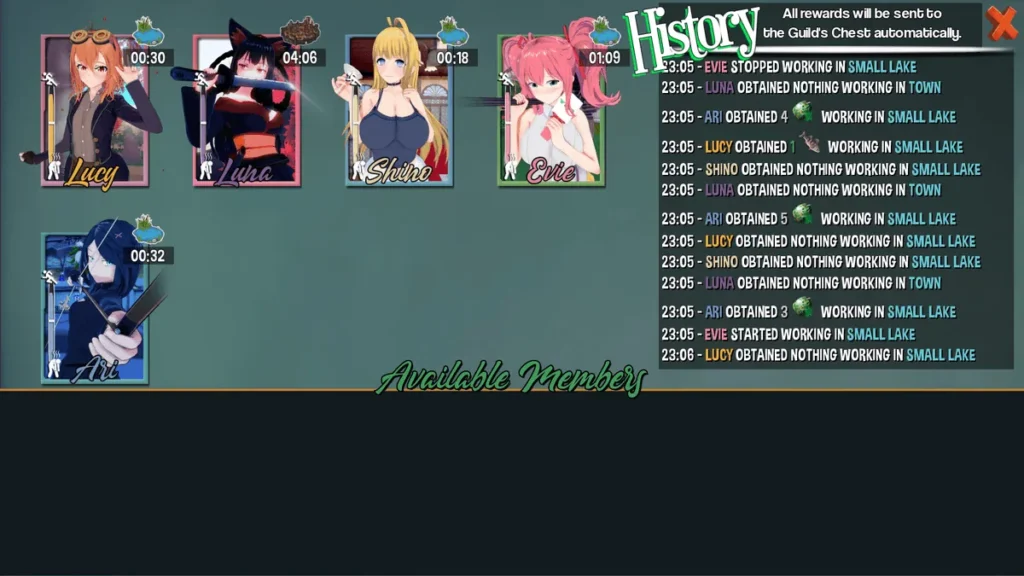
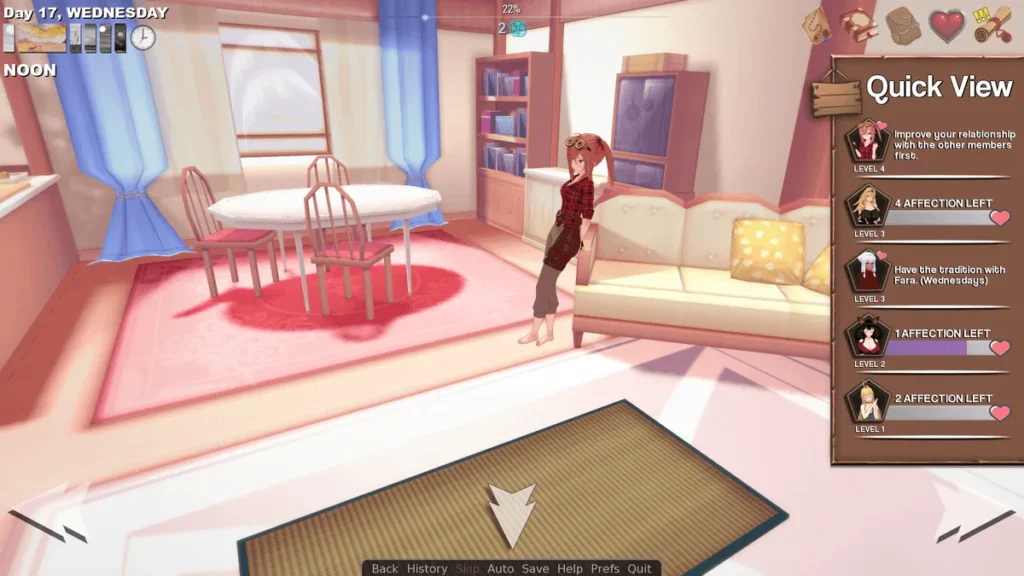
The core Hero’s Harem Guild gameplay loop is a satisfying cycle of planning, interaction, and progression. Mornings might be spent in your office assigning quests and upgrading facilities. Afternoons could involve training with a guild member to boost their combat skills. Evenings are for socializing, unlocking personal stories, and making choices that deepen your bonds. It’s this constant juggling act between your duties as a leader and your relationships as a… well, a person, that makes the game so compelling.
To give you a quick snapshot of what you’re managing, here’s a breakdown of the core pillars:
| Core Mechanics | Story & Interaction | Gameplay Systems | Progression Features |
|---|---|---|---|
| Guild Finance & Upkeep | Character-Specific Story Arcs | Turn-Based Quest Assignment | Character Affection & Trust Levels |
| Facility Construction & Upgrades | Dialogue Choices with Consequences | Time & Energy Management | Adventurer Skill & Level Growth |
| Recruitment & Team Composition | Event Triggers Based on Time & Relationship | Resource Gathering & Crafting | Guild Rank & Town Restoration Milestones |
The magic is in how these systems talk to each other. Sending two characters on a quest together might increase their camaraderie, which unlocks a special scene in the guild lounge. Upgrading the library might allow a bookish character to research new skills. The guild management game mechanics aren’t a separate mini-game; they are the engine of the narrative itself. Every managerial decision you make directly influences the adult RPG story progression, creating a truly personalized experience.
The Storyline: From Accidental Hero to Guild Leader
The narrative hook is instantly relatable: you’re not chosen, you’re just… there. This “accidental hero” premise is brilliant because it removes the pressure of destiny and replaces it with the more relatable pressure of responsibility. You didn’t ask for this guild, but now that you have it, what will you do? This sets the stage for a story less about saving the world from a cosmic evil and more about saving a small piece of it through diligence, empathy, and strategy.
The story unfolds in two parallel layers. First, there’s the overarching plot of restoring the guild and town, which involves dealing with local officials, competing guilds, and the lingering threat that destroyed your predecessors. Second, and often more gripping, are the personal stories of your guild members. Each character arrives with their own baggage, secrets, and desires. Your role is to help them grow, not just as adventurers, but as people. This deep character relationship building RPG aspect means you might be helping a fierce warrior confront her past fears or assisting a shy mage come out of her shell.
The Ren’Py visual novel game foundation shines here. The writing is the vehicle, and your choices are the steering wheel. A conversation in the kitchen isn’t just filler; choosing what to talk about can shift a character’s affection, open up a new quest line, or reveal a critical weakness you need to account for on their next mission. The adult RPG story progression is seamlessly woven into these interactions, with deeper relationship milestones unlocking more intimate and character-defining scenes. It feels earned, not gratuitous, because you’ve invested time in understanding them.
Pro Tip: Talk to everyone, every day if you can. Early on, I missed a crucial clue about a character’s fear of water because I was too focused on finances. That oversight came back to haunt me when I sent her on a swamp quest that went… poorly. The game remembers your attentiveness (or lack thereof).
Game Mechanics and Progression System
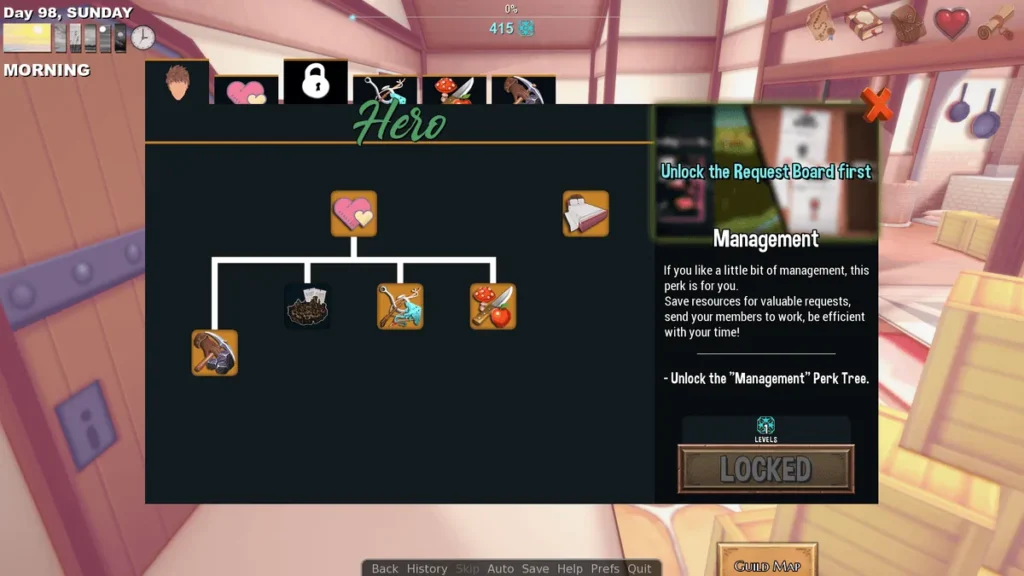
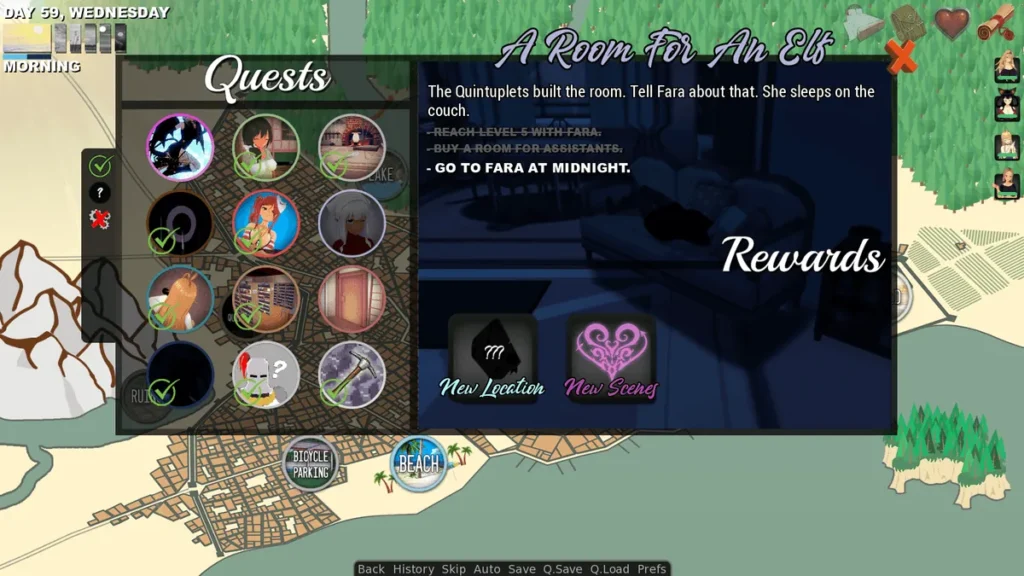
Now, let’s get into the nuts and bolts. How do you actually play? The progression in Hero’s Harem Guild is a masterclass in intertwined systems. It uses a time-locked progression system, meaning the game world operates on a calendar. Certain events, character scenes, and story beats only become available on specific days or after a set amount of in-game time has passed, often gated behind relationship levels. This prevents you from rushing through and forces you to live with your decisions, planning your days and weeks carefully.
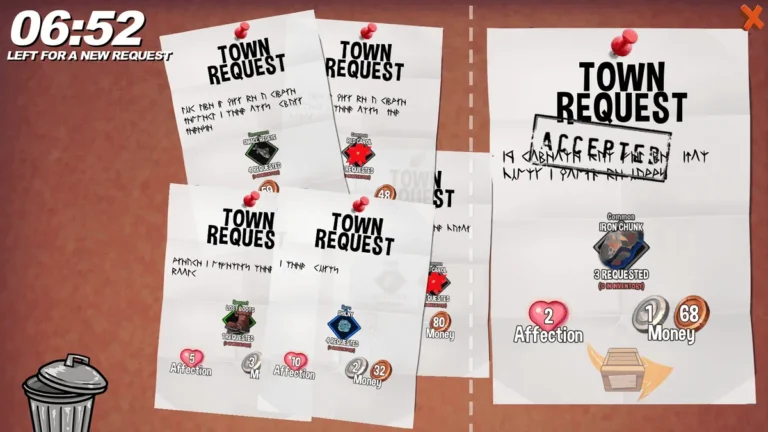
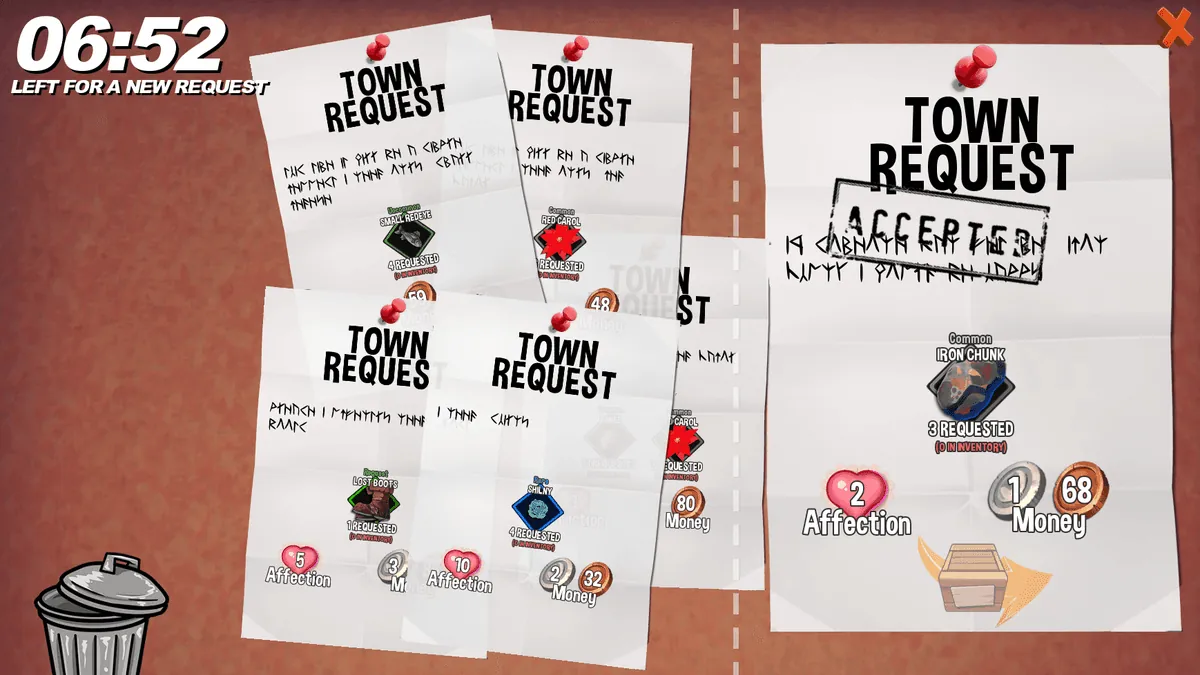
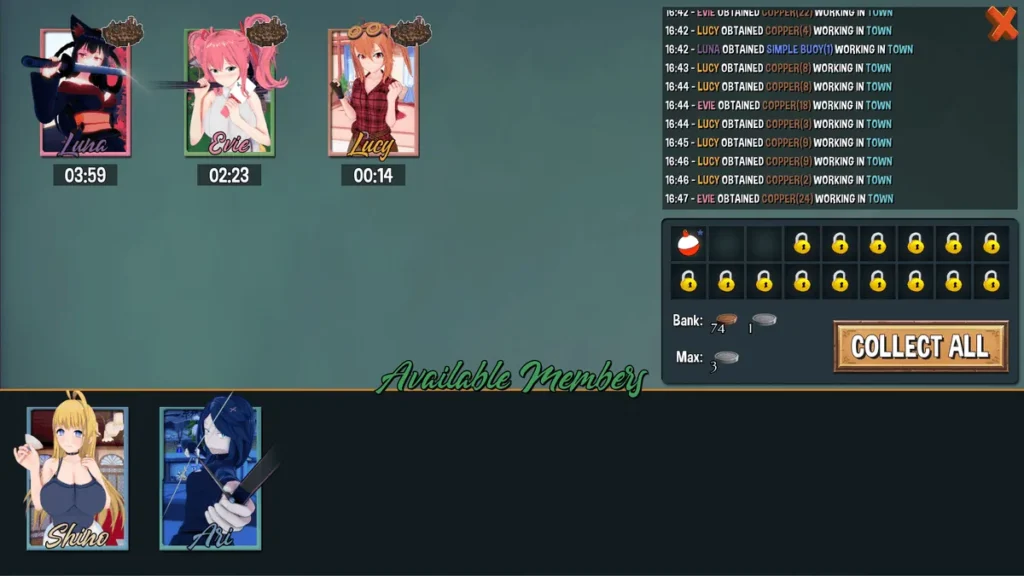
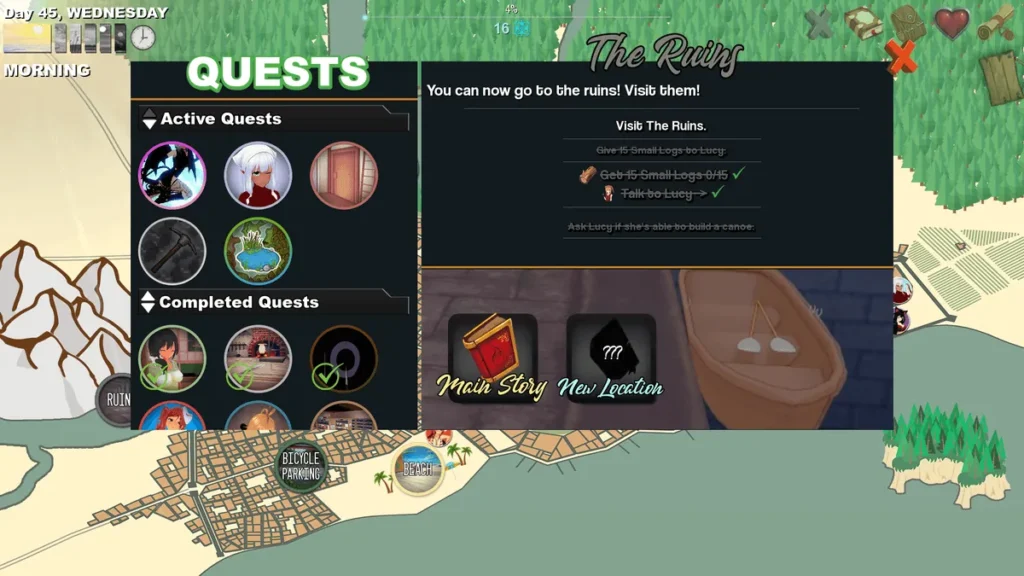
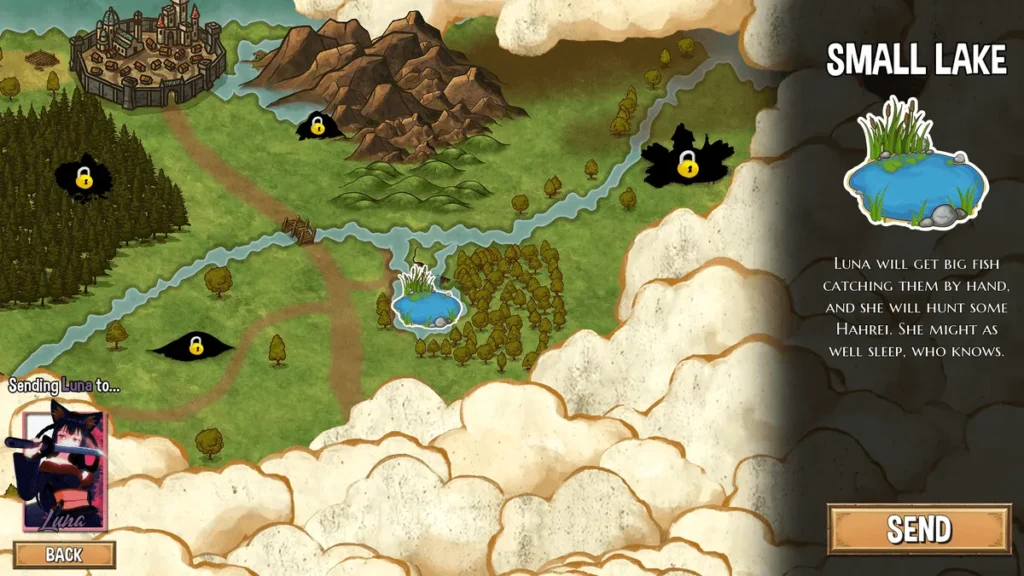
The quest system and character leveling are the primary drivers of your active gameplay. Quests are selected from a board and have various requirements: a suggested party level, specific character traits (like “Stealth” or “Arcane Knowledge”), and a duration. Here’s where your management skills are tested. Do you send your A-team on a long, lucrative expedition, leaving the guild short-handed for minor tasks? Or do you spread the experience around to level up your newer recruits? Success grants gold, guild reputation, items, and most importantly, experience points that lead to character leveling. Leveling up improves a character’s core stats, making them more effective in future quests, and often unlocks new skills or personal story beats.
Let’s walk through a specific example from the early game. In the prologue, you’re essentially on rails, learning the basics. You survive the attack, get the deed, and are introduced to your first two guild members. After completing the prologue, the sandbox RPG with story elements truly opens up.
Example: Post-Prologue Progression
The game calendar starts for real. You now have a dilapidated guild hall, two adventurers, and a tiny income. Your first week might look like this:
* Day 1: Assign your two members to a simple “Gather Herbs” quest to earn some starter gold. Use your personal time to explore the town, introducing yourself to key shopkeepers.
* Day 2: Spend your earnings on fixing the guild’s kitchen. Now your adventurers can recover energy faster. In the evening, chat with one of them in the common room, choosing dialogue options that align with her personality to boost her affection.
* Day 3: A new, more dangerous quest appears: “Investigate Wolf Sightings.” One of your adventurers has a “Beast Slayer” trait, giving a bonus. You send her, paired with the other, on this 2-day quest.
* Day 4: With your team away, you use your time to recruit a third member from the town square, adding a healer to your roster.
* Day 5: Your team returns successfully! They’ve leveled up, earned better rewards, and because they succeeded together, their mutual trust increased. This trust level is now high enough that a special, time-locked scene triggers between them in the lounge that evening, furthering their subplot.
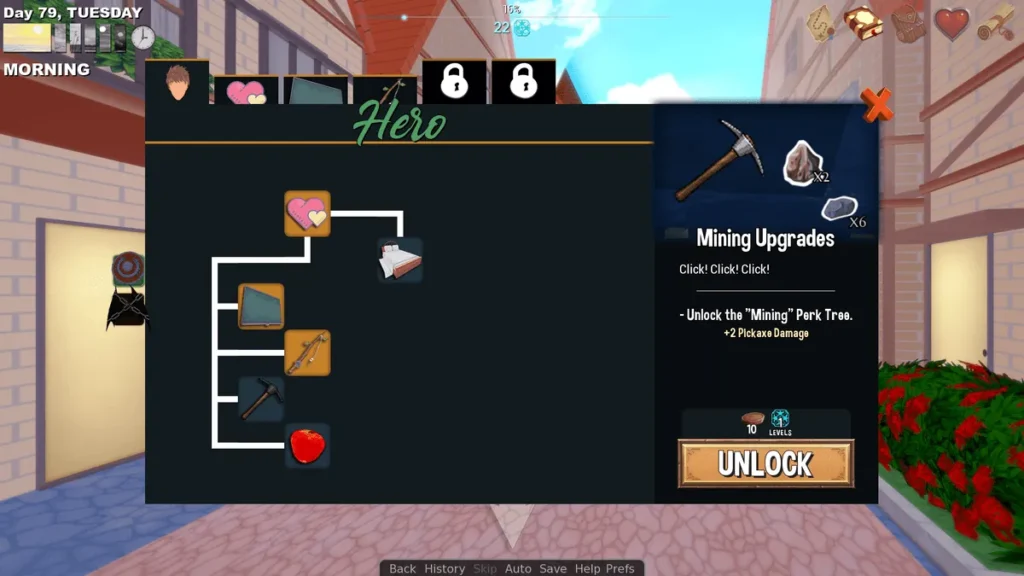
This loop of quest system and character leveling feeding into relationship development, which in turn unlocks story and new capabilities, is the addictive core of the Hero’s Harem Guild gameplay. Upgrading your facilities—like building a training ground or alchemy lab—provides passive bonuses and new interaction spots, further expanding your strategic and narrative options.
The beauty of this sandbox RPG with story elements is that there’s no single “right” way to progress. You could focus on maximizing guild efficiency and wealth. Or you could pour all your effort into romancing one specific character, seeing their story to its conclusion before branching out. The game supports both styles, and everything in between. Your journey from a overwhelmed newcomer to a confident Guild Master, surrounded by a loyal and personally-connected team, is a story written by your own choices, management style, and attentiveness. That’s what makes Hero’s Harem Guild stand out—it gives you the tools and the world, then genuinely lets you build your own legacy within it. 🌟
Hero’s Harem Guild represents a significant evolution in adult gaming, proving that mature content and meaningful storytelling aren’t mutually exclusive. The game’s success stems from its commitment to character development, engaging narrative, and quality gameplay mechanics that appeal to players seeking more than surface-level entertainment. With an active developer community, regular updates, and thousands of engaged players, Hero’s Harem Guild continues to set the standard for what adult indie games can achieve. Whether you’re interested in the strategic guild management, the character-driven storylines, or the overall gaming experience, this title offers substantial content that justifies its growing reputation in the indie gaming community.