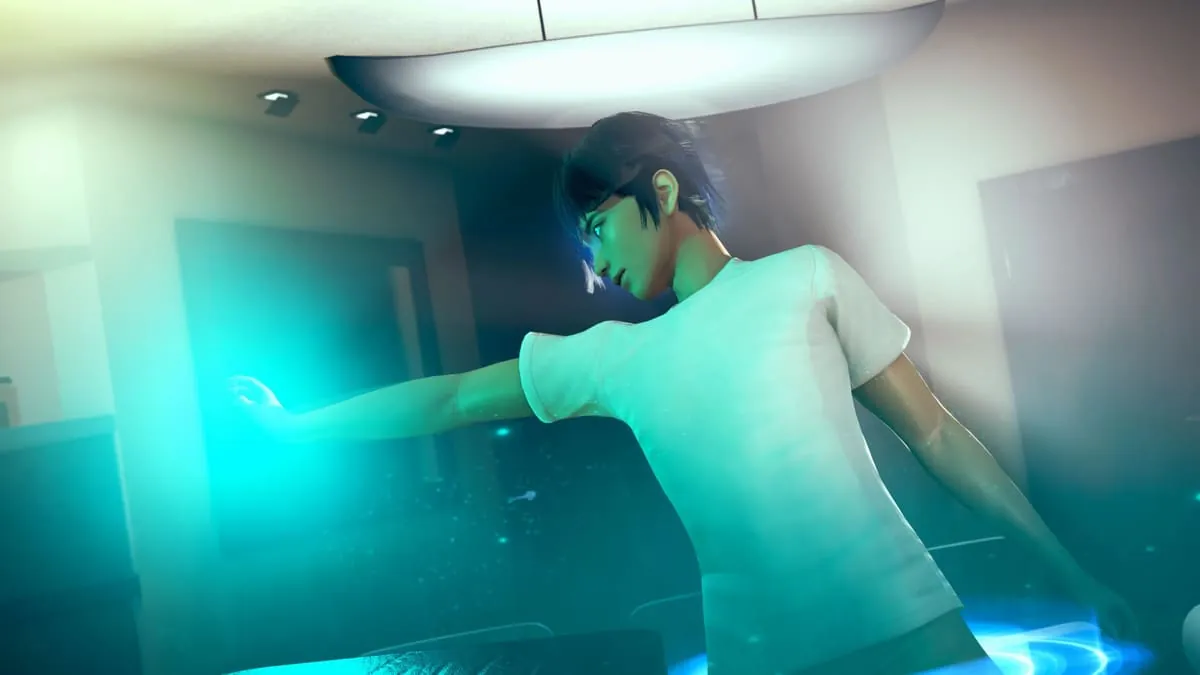
City of Broken Dreamers
Play City of Broken Dreamers
City of Broken Dreamers Screenshots











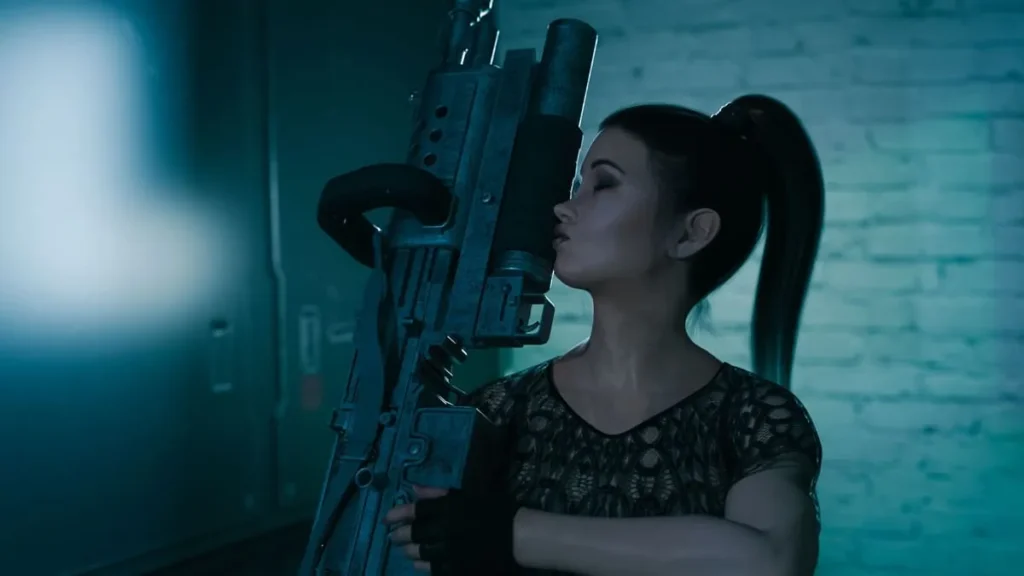





City of Broken Dreamers review
Explore the story, mechanics, and character relationships in this narrative-driven interactive experience
City of Broken Dreamers Book One is a narrative-driven interactive game that combines storytelling with character relationship mechanics. Players assume the role of Ghost, a skilled bounty hunter with a troubled past, navigating a complex world filled with morally ambiguous choices and dynamic character interactions. The game features a sophisticated stat system including relationship scores, lust values, and a hidden anger mechanic that influences dialogue options and story outcomes. With visually detailed environments, character-driven narratives, and branching storylines, City of Broken Dreamers offers players an immersive experience where their decisions genuinely impact the unfolding narrative and character development.
Understanding City of Broken Dreamers: Core Gameplay Mechanics
So, you’ve just booted up City of Broken Dreamers 🎮, ready to dive into its stunning, rain-slicked dystopia. You’re Ghost, a legendary bounty hunter with more cyberware than common sense, and the story is pulling you in. But then you hit a conversation, and a dialogue option you really want is greyed out. Or maybe you’re trying to connect with a character, and things just keep going south for no apparent reason. 🤔
Welcome to the heart of what makes this game so compelling—and sometimes frustrating! The magic of City of Broken Dreamers isn’t just in its jaw-dropping visuals and hard-boiled story; it’s in the intricate clockwork of its systems ticking away beneath the surface. This isn’t a visual novel where you just click through. Your choices are governed by a hidden framework of stats and scores that transform you from a passive reader into the true architect of Ghost’s path.
Think of it this way: every charming smile, every aggressive retort, and every moment of compassion isn’t just role-playing fluff. It’s data. The game is silently keeping score, and those scores unlock doors, close others, and paint your unique version of this neon-noir tragedy. Let’s pull back the curtain on the core City of Broken Dreamers gameplay mechanics that make this interactive story tick.
Character Stats and Relationship Systems
At its core, your journey through the dystopian sprawl is a balancing act between who you are and who you connect with. The game tracks two primary, interwoven systems: your personal attributes and your relationships. This dual-track approach is what defines the relationship system interactive game experience.
First, let’s talk about you, Ghost. While you don’t have a traditional RPG skill sheet, your personality is quantified through a set of key character stats. These are primarily shaped through your major narrative choices and dialogue. The most prominent ones are:
* Empathy: Your capacity for compassion and understanding.
* Pragmatism: Your focus on cold, hard results and efficiency.
* Reputation: Your standing in the gritty underworld of Los Angeles.
* Anger: A unique, volatile stat we’ll dive into separately. 😠
These stats aren’t just for show. They directly control the dialogue options based on stats available to you. A high Empathy score might unlock a gentle, persuasive approach to calm a frightened character, while a high Pragmatism score could offer a brutally efficient, time-saving solution. I remember one playthrough where I’d focused heavily on being a ruthless Pragmatist. When a minor character begged for help, my only options were to demand payment or ignore them entirely—the compassionate path was literally locked away because I hadn’t built that part of Ghost.
Now, for the other half of the equation: the characters. Each major character, especially the female leads, has a relationship score with Ghost. But it’s more nuanced than a simple “like/dislike” meter. The game often tracks two parallel values:
* Relationship Score: This reflects the overall depth of your connection—trust, friendship, and emotional intimacy.
* Lust/Attraction Score: This tracks the physical and romantic tension.
Pro Tip: Don’t assume these scores always move in sync! You can build a deep, trusting relationship with someone without any romantic element, and vice-versa. The most satisfying arcs often come from carefully balancing both.
The genius of this system is in how these scores gate content. Certain story scenes, intimate moments, and even crucial plot branches require specific thresholds in one or both scores. For instance, gaining someone’s trust (high Relationship score) might be necessary for them to share a vital clue, while a combination of trust and attraction might unlock a deeper, more personal scene that changes how you view their character. This makes every City of Broken Dreamers character interactions feel earned and organic.
To see how these systems work together, here’s a breakdown:
| Stat / System Type | Primary Influence | Gameplay Effect & Example |
|---|---|---|
| Empathy | Player Character (Ghost) | Unlocks compassionate dialogue, peaceful resolutions. May open up character backstories. |
| Pragmatism | Player Character (Ghost) | Unlocks efficient, often ruthless options. Can lead to faster progression but at a moral cost. |
| Reputation | Player Character (Ghost) | Affects how NPCs initially react to you. Can unlock special underworld favors or threats. |
| Relationship Score | Individual Characters | Gates major plot revelations, character loyalty, and non-romantic character endings. |
| Lust/Attraction Score | Individual Characters | Gates romantic and intimate scenes. Often needs to combine with Relationship score for deeper content. |
The Anger Mechanic and Its Impact on Gameplay
Alright, let’s talk about the elephant in the room—or rather, the raging bull. 🐂 The Anger stat in City of Broken Dreamers is one of its most distinctive and talked-about features. So, how does the anger stat work? It’s not a meter you fill to unleash a super move; it’s a persistent state of mind for Ghost that fundamentally alters his world.
Your Anger level increases after specific, high-stress narrative events—think betrayals, failures, or moments of extreme violence. Unlike other stats, it’s often triggered by plot points, though your choices can influence its growth. Once elevated, Anger doesn’t just fade after one scene; it lingers, coloring Ghost’s perceptions and limiting your options.
Here’s the real impact: when Anger is high, it replaces other potential dialogue choices. Those calm, empathetic, or clever pragmatic responses you might have earned? They can get shoved aside by aggressive, cynical, or outright violent options. In one of my playthroughs, after a particularly gut-wrenching betrayal, my Anger spiked. In the next conversation with a close ally, my only available responses were sarcastic and hostile, damaging a relationship I’d spent hours building. The game was telling me, “Ghost is too hurt and furious right now to be reasonable.”
This mechanic brilliantly ties narrative emotion to gameplay limitation. It makes emotional states tangible. You’re not just role-playing an angry character; the game’s character stat system is forcing you to experience the consequences of that anger. It can lock you out of peaceful solutions, push characters away, and even lead to unique, more violent story branches that are only accessible when Ghost is in this heightened state. It answers how does anger stat work by showing, not telling, that trauma has a cost.
Branching Narratives and Player Choice
This is where all the systems converge to create that magic “what if?” feeling. ✨ City of Broken Dreamers is a masterpiece of branching narrative choices. The game isn’t just tracking a “good” or “bad” path; it’s weaving a complex web of cause and effect based on your stats, your relationships, and your key decisions.
Your approach to City of Broken Dreamers character interactions directly writes the script. Let’s say you’re dealing with a informant. A pragmatic Ghost might threaten them for quick info. An empathetic Ghost might offer protection in exchange. Your choice here does three things: 1) It gives you the information (plot progression), 2) It adjusts your internal stats (more Pragmatism or Empathy), and 3) It sets a flag that the game remembers. That informant might later show up as an ally if you were kind, or as an enemy in a firefight if you were cruel.
These branching narrative choices compound over time. A major decision in Chapter 3 might determine which characters are even available to help you in Chapter 8. The relationship scores act as keys—failing to build enough trust with a character might mean they refuse to follow you on a critical mission, forcing you to take a riskier, lonelier path. I’ve replayed chapters just to see what happens if I bring a different ally along; the dialogue, challenges, and even outcomes can be dramatically different.
The game’s save file is essentially a dense log of these flags and scores. It’s how the game tailors later scenes. A character you’ve been romancing will have different, more personal dialogue in a crisis than one you’ve kept at arm’s length. This creates an incredibly reactive world where your City of Broken Dreamers gameplay mechanics choices genuinely feel like they carry weight, making subsequent playthroughs not just fun, but essential to fully appreciating the story’s scope.
Personal Insight: The most satisfying moments for me came when the game presented a “solution” to a problem that was only available because of my unique stat spread and relationship history. It felt like the game was acknowledging my specific version of Ghost, rewarding a playstyle I’d crafted myself.
Q: If I miss a stat check early on, am I locked out of a storyline forever?
A: Not usually! While some specific scenes may be missed, the narrative is designed with multiple paths. You might miss a “best” outcome with one character, but it often opens up alternative content or deepens a plotline with another. The story adapts.
Q: Is it better to focus on one stat (like Empathy) or try to balance them?
A: There’s no “better.” Focusing gives you powerful, consistent options in one direction and leads to a very specific character arc. Balancing makes you more adaptable but may leave you short of the highest thresholds for some specialized choices. Both are valid and create different stories!
Q: How transparent is the game about my choices affecting the stats?
A: It’s deliberately opaque. You won’t see “+1 Empathy” pop up. The game trusts you to role-play and lets the consequences unfold naturally. This enhances immersion but makes careful attention to dialogue tones very important.
Q: Can I max out all relationship scores in one playthrough?
A: It’s extremely difficult, often impossible. Characters have conflicting interests and loyalties. Choosing to side with or help one may inherently lower your standing with another. This forces you to define what—and who—is most important to your Ghost.
Ultimately, understanding these City of Broken Dreamers gameplay mechanics transforms your experience. You stop seeing conversations as just story and start seeing them as a strategic playground of personality and connection. Every choice becomes a deliberate brushstroke on a larger canvas, painting a story that is uniquely, undeniably yours. So go on, step back into the rain. This time, you know the rules of the game. 🕶️💥
City of Broken Dreamers Book One stands out as a thoughtfully crafted interactive narrative experience that successfully balances compelling storytelling with sophisticated gameplay mechanics. The game’s strength lies in its character-driven approach, where meaningful relationships develop through player choices and stat-based interactions, creating a sense of genuine agency in the narrative. The visual presentation, from meticulously designed environments to well-animated character sequences, demonstrates the developer’s commitment to creating an immersive world. Players consistently praise the emotional depth and how the game integrates various content elements into a cohesive narrative experience. Whether you’re drawn to complex character relationships, branching storylines, or visually polished interactive fiction, City of Broken Dreamers offers substantial content that justifies player investment. For those seeking a narrative-focused experience with meaningful choices and character development, this game delivers on multiple fronts and continues to engage its community with ongoing chapter releases.