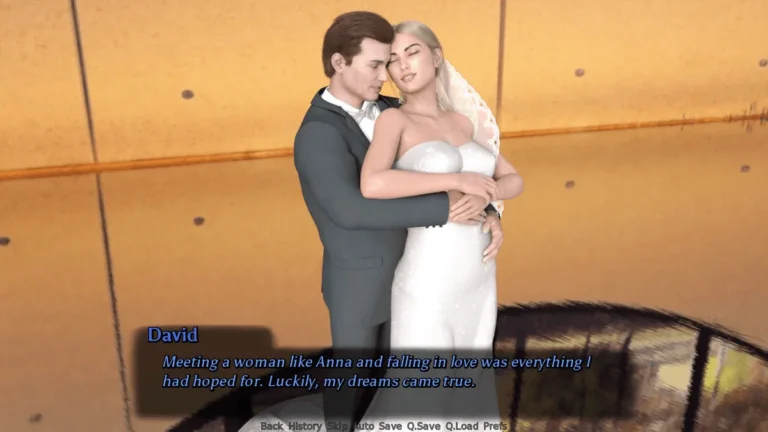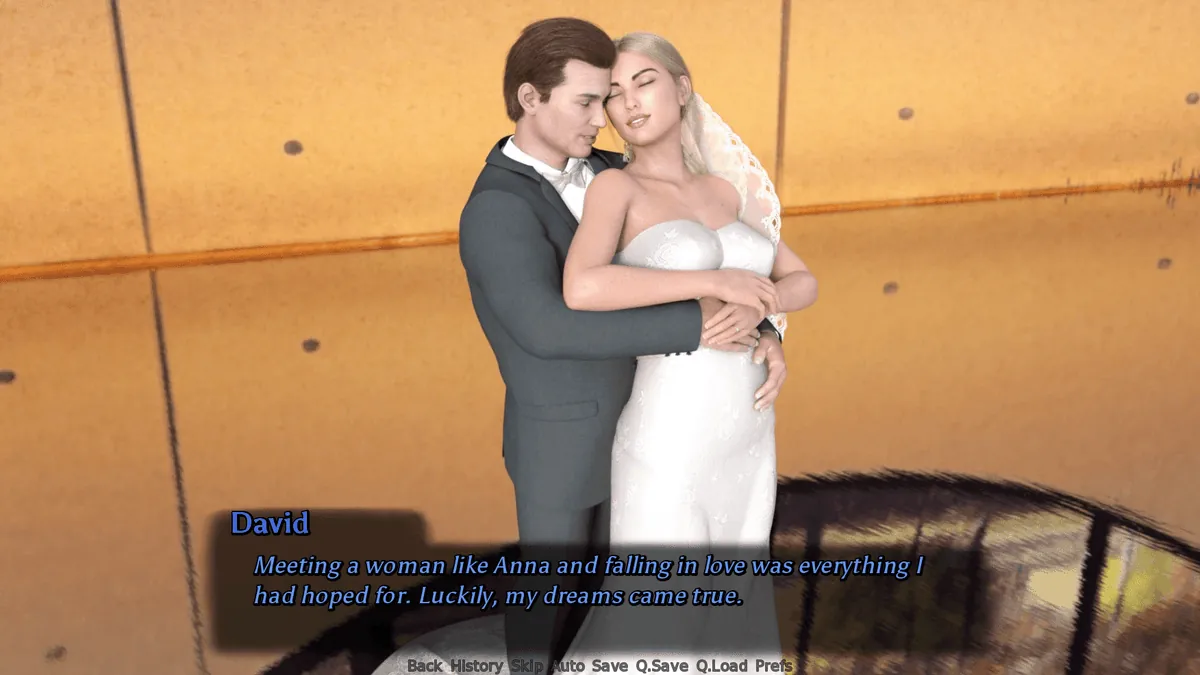
A Perfect Marriage
Play A Perfect Marriage
A Perfect Marriage Screenshots





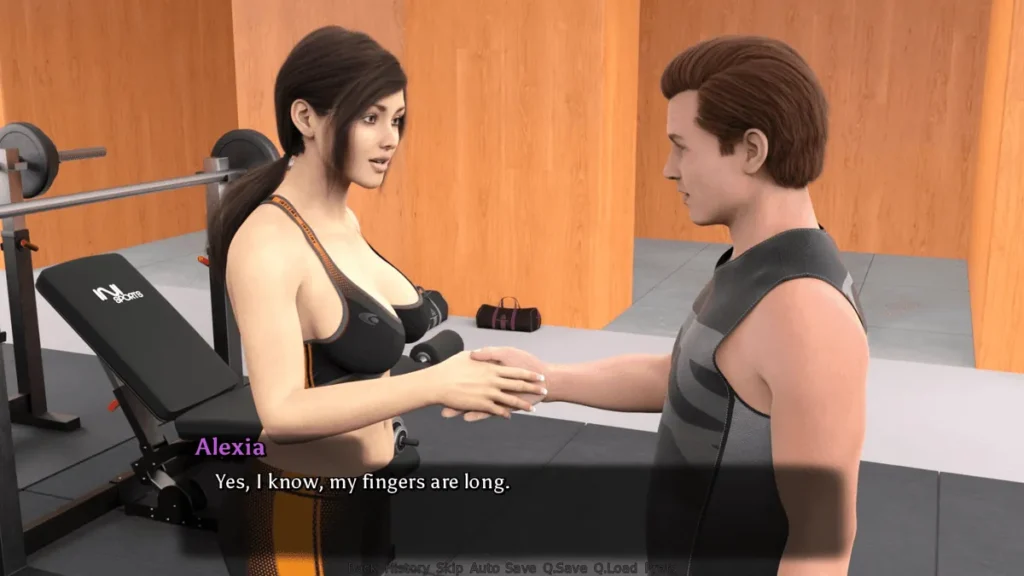


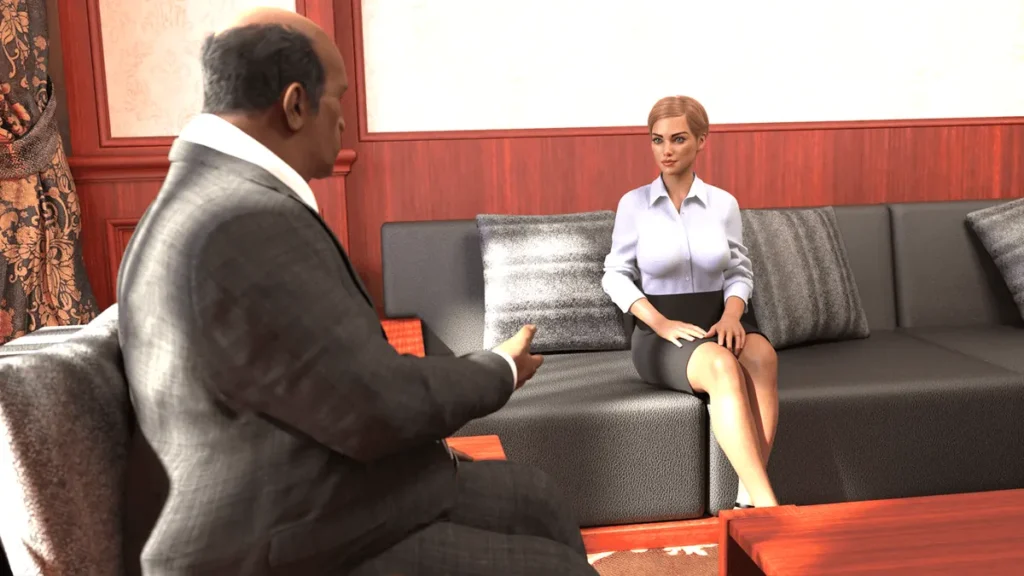


A Perfect Marriage review
Explore gameplay mechanics, storylines, and features of this relationship simulation experience
A Perfect Marriage is an interactive simulation game that explores relationship dynamics through engaging gameplay and narrative choices. Players navigate complex relationship scenarios, make meaningful decisions that impact story outcomes, and experience how choices shape character relationships and game progression. This guide covers everything you need to know about the game’s mechanics, features, and what makes it a unique experience in the simulation genre. Whether you’re a newcomer curious about the gameplay or an experienced player looking to deepen your understanding, this comprehensive overview will help you get the most from your experience.
Understanding A Perfect Marriage: Game Overview and Core Mechanics
Ever found yourself staring at your screen, wishing you could step into a story where every word you say and every choice you make truly matters? 🤔 Welcome to A Perfect Marriage, an experience that pulls you into the heart of a gripping, emotional narrative where you are the author. This isn’t just a game you play; it’s a world you inhabit, a relationship you build, and a story you directly control with every tap and decision.
At its core, this title is a masterclass in interactive choice-based game design. You don’t just watch the drama of a complicated marriage unfold—you live it, breathe it, and navigate its treacherous, beautiful waters. Whether you’re trying to rekindle a lost spark or navigate complex emotional truths, your journey is uniquely yours. So, let’s pull back the curtain and explore exactly how to play A Perfect Marriage and what makes its systems so compelling. ✨
What is A Perfect Marriage and How Does It Work?
Imagine a book that reads you back. That’s the closest analogy I can give for this relationship simulation gameplay. A Perfect Marriage drops you into the shoes of a protagonist whose marriage is at a critical, fragile crossroads. The “gameplay” is the conversation. It’s the silent moments, the charged arguments, the tender apologies, and the difficult questions.
Fundamentally, the game works through a series of interactive scenes and dialogue sequences. You’re presented with conversations and internal monologues, and at key junctures, you must choose your response. These aren’t simple “good/bad” picks. They are nuanced, often morally grey, and always dripping with subtext. Are you going to be defensive or open? Will you hide your true feelings or risk vulnerability to seek a deeper connection? The game doesn’t judge you, but it remembers everything.
I remember my first playthrough. I thought being perfectly agreeable and avoiding conflict was the key to a “perfect” marriage. 😅 I was so wrong. The game expertly simulates the reality of human relationships: sometimes, peacekeeping is just a slower form of decay. By choosing the “safe” option every time, I found my character and their partner drifting into polite, passionless stagnation. The game showed me that true intimacy requires risk, and its mechanics are built to reward emotional bravery as much as careful strategy.
This is the essence of narrative branching gameplay. Every major decision acts as a fork in the road, sending you down a subtly different story path. Missed opportunities, healed wounds, new suspicions, or deepened bonds—all are possible from the same starting point. It’s a powerful demonstration of how a robust decision system in games can create a deeply personal story.
Key Gameplay Mechanics and Decision Systems
Let’s get into the nuts and bolts. The magic of A Perfect Marriage game mechanics lies in their elegance and depth. They are complex systems working under a simple, intuitive interface, making the experience accessible while offering profound depth for those who want to delve deeper.
The most immediate mechanic is the Choice Wheel. When in dialogue, you’ll typically have 2-4 response options, each with a limited time to choose (which wonderfully amplifies the pressure of real conversations!). These choices are categorized not by morality, but by intent and emotional tone.
But here’s where it gets brilliant: your choices feed into two primary, hidden systems.
- Relationship Metrics: This isn’t a simple “love meter.” The game tracks multiple dimensions of your relationship, such as Trust, Passion, Communication, and Resentment. A choice that increases Passion might slightly decrease Communication if it’s an impulsive outburst. A decision that builds Trust could dampen Passion if it feels too clinical. You never see the exact numbers, but you feel their weight in how characters react to you.
- The Narrative Thread Database: This is the game’s memory. Every significant choice, and even some seemingly minor ones, is logged. Characters will reference past events, and your partner’s mood and openness will be directly influenced by the history you’ve built together. Lie once, and it will be harder to be believed later. Show unexpected kindness in a fight, and it may become a touchstone for reconciliation.
To master how to play A Perfect Marriage, you need to think beyond the immediate scene. You’re not just picking a line of dialogue; you’re architecting the emotional foundation of a relationship. It’s a thrilling, nerve-wracking puzzle where the pieces are human emotions.
Here’s a quick checklist of the core gameplay mechanics you’ll be engaging with:
- Timed Decision Making: 🕒 Choices often have a countdown, mimicking real-life pressure.
- Multi-Aspect Relationship Tracking: The game monitors several relationship health indicators simultaneously.
- Long-Term Consequence Logging: Your story is built on a web of past decisions.
- Branching Narrative Paths: Major decisions unlock or permanently close entire story chapters and endings.
- Internal Monologue Guidance: Your character’s thoughts provide context, but you decide which feelings to act upon.
To visualize how these systems interconnect, let’s look at this simple breakdown:
| Mechanic | What It Does | Player Impact |
|---|---|---|
| Dialogue Choice Wheel | Presents contextual response options during conversations. | Directs the immediate flow of conversation and character reactions. |
| Hidden Relationship Stats | Tracks levels of Trust, Passion, Communication, etc., in the background. | Determines long-term character behavior, unlocking specific dialogue and scenes. |
| Narrative Memory | Flags key decisions and stores them as story variables. | Creates callbacks, determines available paths, and shapes the ending. |
| Time Pressure | Limits the time you have to make most decisions. | Encourages instinctive, emotional responses over calculated meta-gaming. |
Character Relationships and Progression Systems
This is where the soul of the relationship simulation gameplay truly resides. The character relationship progression in A Perfect Marriage is a delicate, living thing. Your partner is not a static character with set responses; they are a reactive entity whose personality and feelings evolve based on your cumulative actions.
Progression isn’t about “leveling up” your marriage. It’s about defining its very nature. Will you two become passionate collaborators rebuilding from the ashes? Cautious roommates sharing a space? Or something more toxic and broken? The game offers a spectrum of endings, and they all feel earned because you built them, choice by painful, beautiful choice.
The progression system is fluid. There’s no XP bar filling up. Instead, you unlock “Moments”—special scenes of intimacy, conflict, or revelation that are only accessible when your relationship metrics hit certain thresholds or when you’ve made a specific sequence of choices. Missing a key Moment can irrevocably change the story’s direction, making each playthrough uniquely personal.
Let me give you a concrete example from my own gameplay. This is a real gameplay scenario showing how a single choice can ripple outward.
The Scenario: My character found an old, flirtatious text message on their partner’s phone. The trust was already shaky. The game presented me with a crucial choice point shortly after the discovery, during a tense dinner.
- Choice A (Confrontational): “We need to talk about the text I saw. Who is that?”
- Choice B (Withdrawn): “I’m not hungry anymore.” (Leave the table)
- Choice C (Constructive but Vulnerable): “I’m feeling really insecure, and I need us to talk about something that’s bothering me.”
I chose the confrontational route in one playthrough. 😤 This immediately spiked the Resentment metric and lowered Communication. It triggered an argument branch where my partner became defensive, secrets were harder to uncover later, and we spiraled into a “Cold War” story arc focused on suspicion and power struggles. A specific “Reconciliation Attempt” moment later in the game was permanently locked off because the emotional damage was too severe.
In another session, I mustered the courage for Choice C, the vulnerable option. 💖 This was harder! It initially lowered Passion (it felt awkward) but significantly boosted Trust and Communication. This unlocked a quiet, painful, but honest conversation later that night—a special “Nighttime Honesty” Moment I hadn’t seen before. This path made uncovering the truth behind the text easier later on, because the channels of communication were open, leading to a more bittersweet but ultimately authentic resolution.
This example shows the genius of the decision system in games like this. You’re not managing resources; you’re managing feelings. The character relationship progression is the direct, tangible result of your emotional labor (or lack thereof) within the story.
Mastering how to play A Perfect Marriage means learning to listen—not just to the words your partner says, but to the subtext, and to your own character’s heart. It’s about understanding that in relationships, much like in this brilliant piece of narrative branching gameplay, the shortest path to an answer is rarely a straight line. It’s a winding road built on the choices you make every single day. Your perfect marriage is waiting to be defined, one brave, messy, human decision at a time. 🏡
A Perfect Marriage stands out as an engaging relationship simulation game that prioritizes player choice and narrative depth. The game’s strength lies in its decision-based gameplay system, where your choices genuinely impact character relationships and story outcomes, creating a personalized experience for each player. With multiple characters to interact with, branching storylines leading to different endings, and compelling themes about relationships and personal growth, the game offers substantial replayability and emotional engagement. Whether you’re drawn to interactive storytelling, relationship dynamics, or games that reward exploration and experimentation, A Perfect Marriage delivers a thoughtful gaming experience. Start your journey today and discover how your choices shape the story.